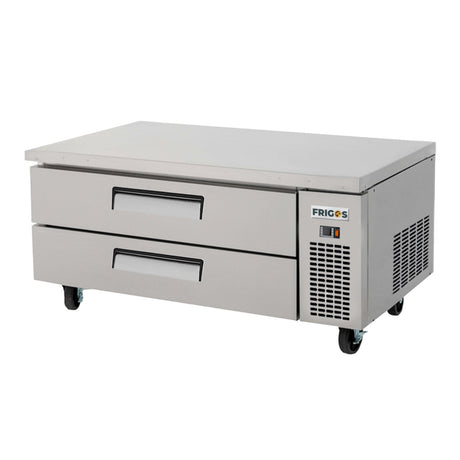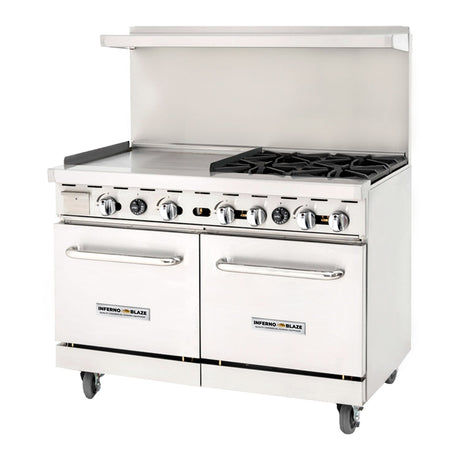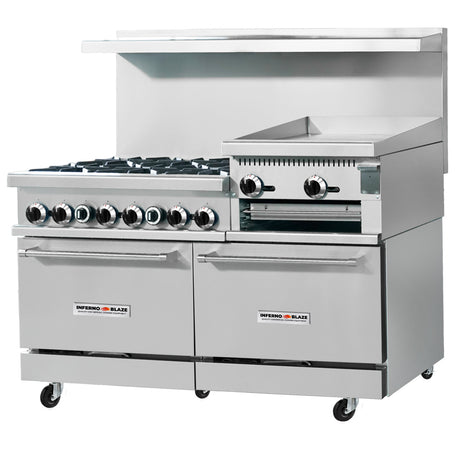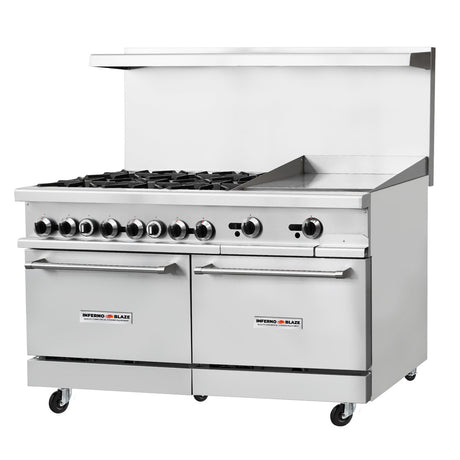



Before you buy a single appliance, take a hard look at your menu. Your menu is the true blueprint for your kitchen, dictating every piece of equipment you need, from the reach-in freezer to the six-burner range. Buying equipment without a clear connection to the dishes you serve leads to wasted space, inefficient workflow, and unnecessary spending. This guide will show you how to build your kitchen around your culinary vision. We’ll help you translate your menu into a concrete equipment list, calculate the capacity you’ll need for your busiest shifts, and plan your layout for maximum efficiency. Once you have that plan, your search for "commercial kitchen equipment for sale near me" becomes targeted and strategic.
Key Takeaways
- Match your equipment to your plan: Start with your menu to create a detailed equipment list, then measure your kitchen layout. This ensures every purchase has a purpose and fits your workflow.
- Look beyond the price tag: Prioritize the total cost of ownership. Investing in energy-efficient, durable equipment with a solid warranty will save you money on repairs and utility bills in the long run.
- Choose a vendor who acts like a partner: A reliable supplier provides essential support, service, and warranty coverage that protects your investment long after the delivery is made.
What Commercial Kitchen Equipment Do You Need?
Before you start browsing for deals, the first step is to create a detailed checklist of everything your kitchen needs to function. Walking into the process without a clear plan can lead to overspending on items you don't need and forgetting the ones you do. Your menu is your guide here—it dictates every piece of equipment you’ll need, from the walk-in cooler to the final plating station. Think of this as creating the blueprint for your kitchen's success. We can break down the essentials into four core categories: refrigeration, cooking, food preparation, and sanitation. Getting these four areas right will build a strong foundation for your entire operation.
Refrigeration Equipment
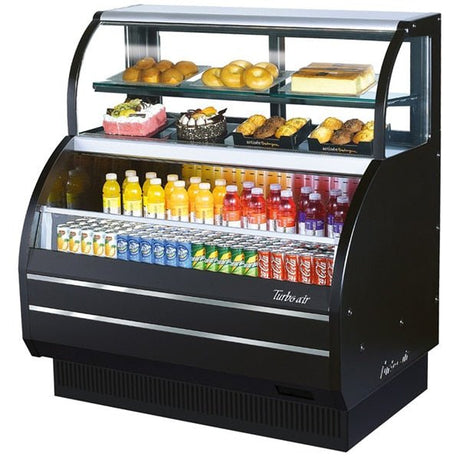
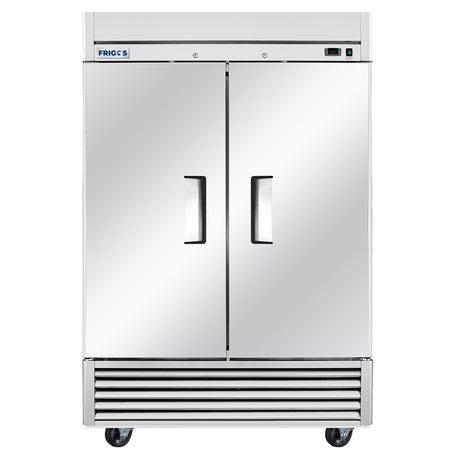
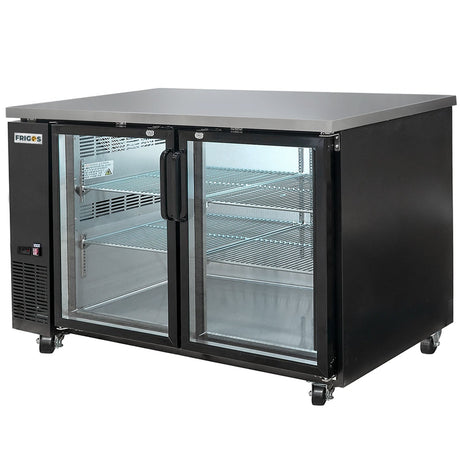
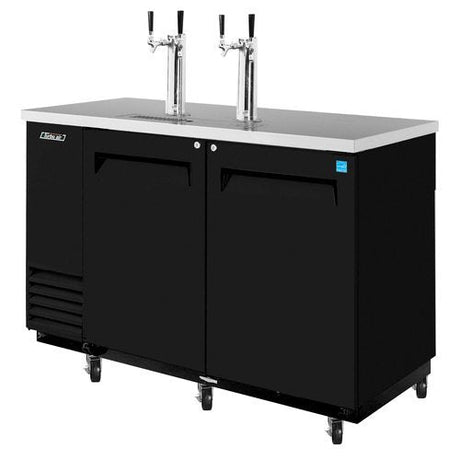
Reliable refrigeration is the heart of a safe and efficient kitchen. This isn't just about keeping things cold; it's about maintaining precise temperatures to ensure food safety, preserve ingredient quality, and minimize waste. Your needs will likely range from large-capacity units like reach-in refrigerators and freezers to more specialized workhorses. For example, salad and sandwich prep tables combine refrigerated storage with a convenient workspace, streamlining your assembly line. When selecting your units, consider factors like size, energy efficiency, and durability. High-quality refrigeration equipment is a significant investment, but it’s one that protects your inventory and your reputation day in and day out.
Cooking Equipment
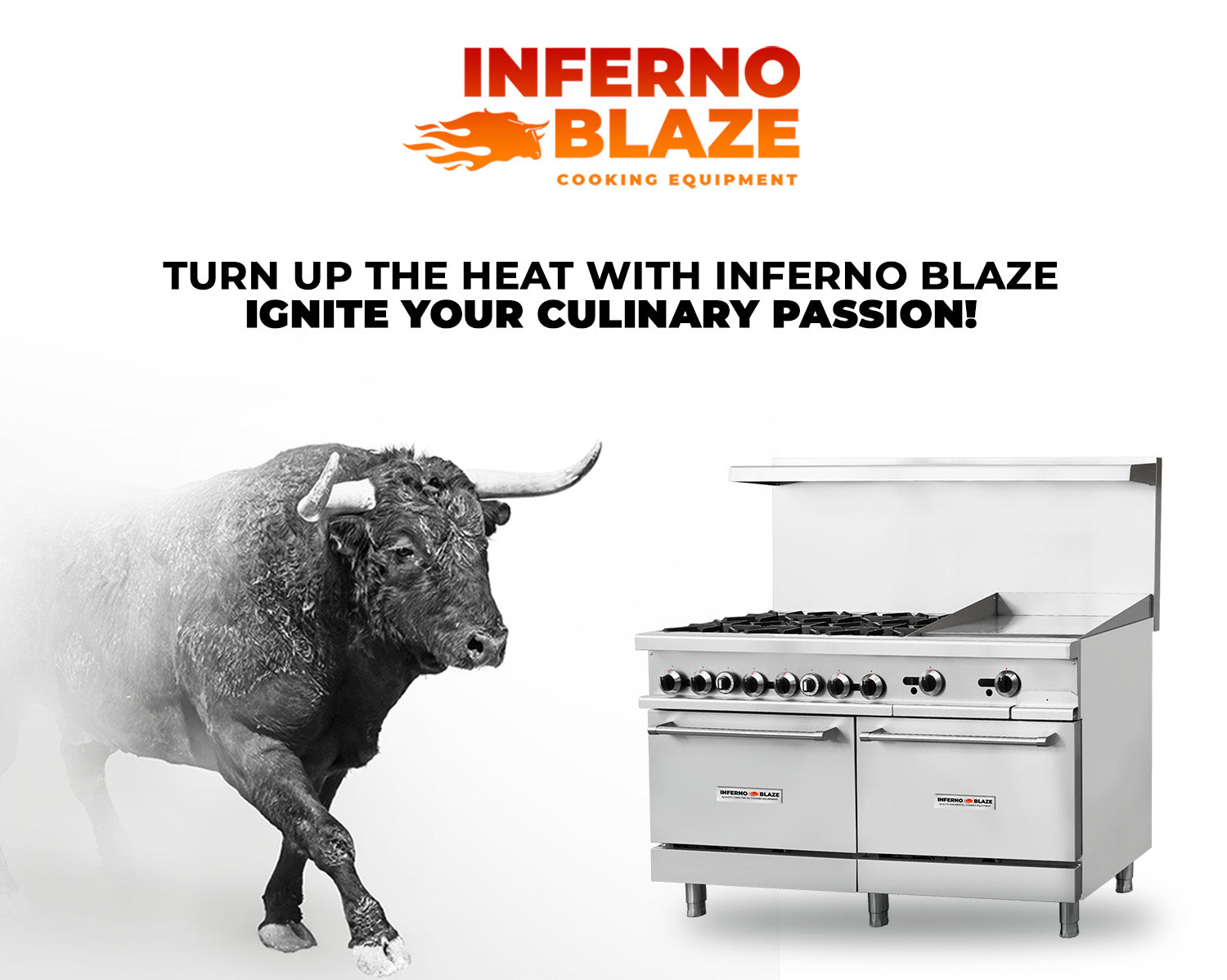
The "hot line" is where your menu truly comes to life, and having the right tools is essential. The specific cooking equipment you need is directly tied to the dishes you plan to serve. A pizzeria will prioritize powerful deck ovens, while a burger joint needs a high-performance grill and deep fryers. Common staples include commercial ranges, convection ovens, griddles, and charbroilers. When making your list, think about both your current menu and any future items you might want to add. You’ll want to choose pieces that can handle your projected volume without slowing down service during your busiest hours. Versatility and power are your best friends here.
Food Preparation Equipment
Consistency and speed are everything in a commercial kitchen, and that's where food preparation equipment shines. These are the tools that handle the repetitive, time-consuming tasks, freeing up your staff to focus on cooking and plating. Think about commercial mixers for doughs and batters, food processors for chopping vegetables, and meat slicers for perfect portions every time. Stainless steel work tables provide durable and sanitary surfaces for all your prep tasks. Investing in the right prep tools not only saves significant labor costs but also ensures that your ingredients are handled uniformly, which leads to a more consistent final product for your customers.
Dishwashing and Sanitation Equipment
A clean kitchen is a safe kitchen, and your dishwashing and sanitation setup is non-negotiable. This area is critical for meeting health code standards and preventing cross-contamination. At a minimum, you'll need a three-compartment sink for washing, rinsing, and sanitizing, along with dedicated handwashing stations for your staff. A commercial dishwasher is also a must-have for handling high volumes of dishes, glassware, and utensils quickly and effectively. Don't treat this equipment as an afterthought. A well-designed and efficient dishwashing station is fundamental to a smooth workflow and is absolutely essential for protecting the health of your customers and the reputation of your business.
Where Can You Find Quality Commercial Kitchen Equipment?
Once you have a clear idea of what you need, the next step is figuring out where to find it. The right supplier can make all the difference, offering not just the equipment itself but also expertise and support. Your main options are local dealers, online retailers, and auctions. Each has its own set of benefits, whether you prioritize seeing items in person, getting the best price, or finding a massive selection. Exploring all three avenues will give you a complete picture of the market and help you find the perfect restaurant equipment to fit your kitchen's needs and budget. Let's look at what each source has to offer.
Local Equipment Dealers
There’s something reassuring about buying from a local dealer. You can walk into a showroom, physically inspect the equipment, and ask questions face-to-face. This is a huge plus when you’re making a significant investment and want to be sure of the build quality. Local suppliers often sell both new and used equipment, giving you options for different price points. Building a relationship with a local dealer can also pay off in the long run with reliable service and maintenance support. While their inventory might be smaller than a massive online warehouse, the personalized service and ability to see what you’re buying before you commit is a major advantage for many restaurant owners.
Online Retailers
If you’re looking for the widest possible selection, online retailers are your best bet. Websites dedicated to commercial kitchen equipment offer an incredible range of products, from specialized cooking equipment to every type of refrigeration unit imaginable. Shopping online allows you to easily compare prices, features, and brands from the comfort of your office. Many online stores, like Kitchen Pro, provide detailed specifications, customer reviews, and clear warranty information to help you make a confident choice. You can often find great deals and a variety of options, including budget-friendly lines like the Frigos Value Series, which helps you save money without sacrificing reliability.
Auctions and Liquidations
For those on a tight budget who don’t mind a bit of a treasure hunt, auctions and restaurant liquidations can be a goldmine. This is where you can find high-end equipment at a fraction of its original cost. Restaurants that are closing or upgrading often sell off their entire inventory, which can include everything from prep tables to display cases. However, this route comes with a bit of risk. Items are typically sold "as-is" with no warranty, so it’s important to inspect everything carefully if possible. If you know what to look for and are comfortable with minor repairs, you can score some incredible deals on leading brands and outfit your kitchen for less.
Should You Buy New or Used Kitchen Equipment?
One of the biggest decisions you'll make when outfitting your kitchen is whether to buy new or used equipment. The temptation to save money with used gear is strong, especially when you're just starting out. However, the lower sticker price can sometimes come with hidden costs, like unexpected repairs and lower efficiency. The right choice isn't the same for every business. It comes down to balancing your immediate budget with your long-term goals and understanding the total cost of ownership—not just the initial price.
The Benefits of Buying New
Investing in new restaurant equipment is about more than just getting a shiny appliance; it’s about securing peace of mind. The most significant advantage is the manufacturer's warranty. If something goes wrong, you’re covered for repairs or a replacement, which protects you from unexpected costs and downtime. New equipment also operates at peak performance and efficiency right out of the box. Modern units are designed to use less energy, which can lead to noticeable savings on your utility bills over the life of the appliance. You get the latest technology, guaranteed reliability, and the assurance that you’re the first and only owner.
The Advantages of Buying Used
The most obvious draw of used equipment is the lower upfront cost. For a new restaurant or a business on a tight budget, saving thousands of dollars on essential items can free up capital for other critical areas like marketing or inventory. Buying used can significantly reduce your startup costs and help you get your doors open with less financial pressure. If you find a reputable dealer, you might find well-maintained, high-quality pieces for a fraction of their original price. While it comes with risks like a shorter lifespan and no warranty, the initial savings can make it a practical choice for certain items.
New vs. Used: How to Decide
Your decision should be guided by your menu, budget, and how critical the equipment is to your daily operations. For core items that run constantly and would cripple your service if they failed—like your main refrigerator or oven—investing in new is almost always the smarter long-term play. The reliability and warranty are worth the higher initial cost. For less essential items like prep tables or shelving, used can be a great way to save money. You can also find a middle ground with affordable new lines like the Frigos Value Series, which offer the reliability of new equipment without the premium price tag.
How to Choose the Right Equipment for Your Kitchen
Choosing the right equipment is one of the most critical decisions you'll make for your restaurant. The right tools can streamline your operations, ensure food quality, and set your team up for success, while the wrong ones can create constant headaches. It’s about more than just filling a space; it’s about building an efficient, functional heart for your business. To get it right, you need to think strategically about three key areas: what you’re cooking, how much you’re cooking, and the space you’re working with. Let's break down how to approach each one.
Match Your Equipment to Your Menu
Your menu is the blueprint for your kitchen. The dishes you plan to serve will directly determine the cooking equipment you need. If you’re opening a pizzeria, a high-capacity pizza prep table and a powerful deck oven are essential. For a cafe focused on fresh sandwiches and salads, your priority might be a top-tier slicer and spacious prep refrigeration. Don't just think about the main appliances; consider the smaller tools that support your menu, too. By starting with your culinary vision, you ensure every piece of equipment has a clear purpose, preventing you from overspending on items you’ll rarely use.
Calculate Your Volume and Capacity Needs
Next, think about how much food you expect to prepare, especially during your busiest hours. A small bakery has very different needs than a bustling university cafeteria. Your projected volume dictates the size and capacity of your equipment. For instance, a high-traffic sandwich shop will need a multi-door Salad and Sandwich Prep Table to handle the lunch rush without a hitch. Underestimating your needs can lead to service bottlenecks and frustrated customers. On the other hand, overestimating can waste precious capital and kitchen space. Analyze your business plan and be realistic about your output from day one.
Measure Your Space and Plan Your Workflow
Before you add anything to your cart, grab a tape measure. Your kitchen’s physical layout is a hard limit you can’t ignore. Measure every inch of your space, noting the locations of doors, windows, and utility connections. Think about how your team will move through the kitchen. A logical workflow—from receiving and storage to prep, cooking, and cleaning—is crucial for efficiency and safety. Map out where each piece of restaurant equipment will go, ensuring there’s enough clearance for doors to swing open and for staff to work comfortably. A well-planned layout prevents chaos during a busy service and makes your entire operation run smoother.
What Features Should You Look For When Shopping?
Once you’ve narrowed down your options, it’s time to look closer at the details. The right features can make a huge difference in your daily operations, long-term costs, and overall peace of mind. Moving beyond the initial price tag and evaluating equipment based on performance, durability, and support will help you make a much smarter investment for your kitchen. Here are the four key areas to focus on before you make a final decision.
Energy Efficiency and Operating Costs
The price you pay upfront is only part of the story. Your equipment’s energy consumption will impact your utility bills every single month, so it’s a critical factor in the total cost of ownership. Look for ENERGY STAR® ratings and other efficiency certifications, especially on high-use items like Refrigeration Equipment. A more efficient unit might cost a bit more initially, but the savings on your energy bills can quickly make up for the difference. Think of it as a long-term investment in your profitability. Before you buy, ask for the equipment’s spec sheet to understand its power requirements and estimated operating costs.
Durability and Material Quality
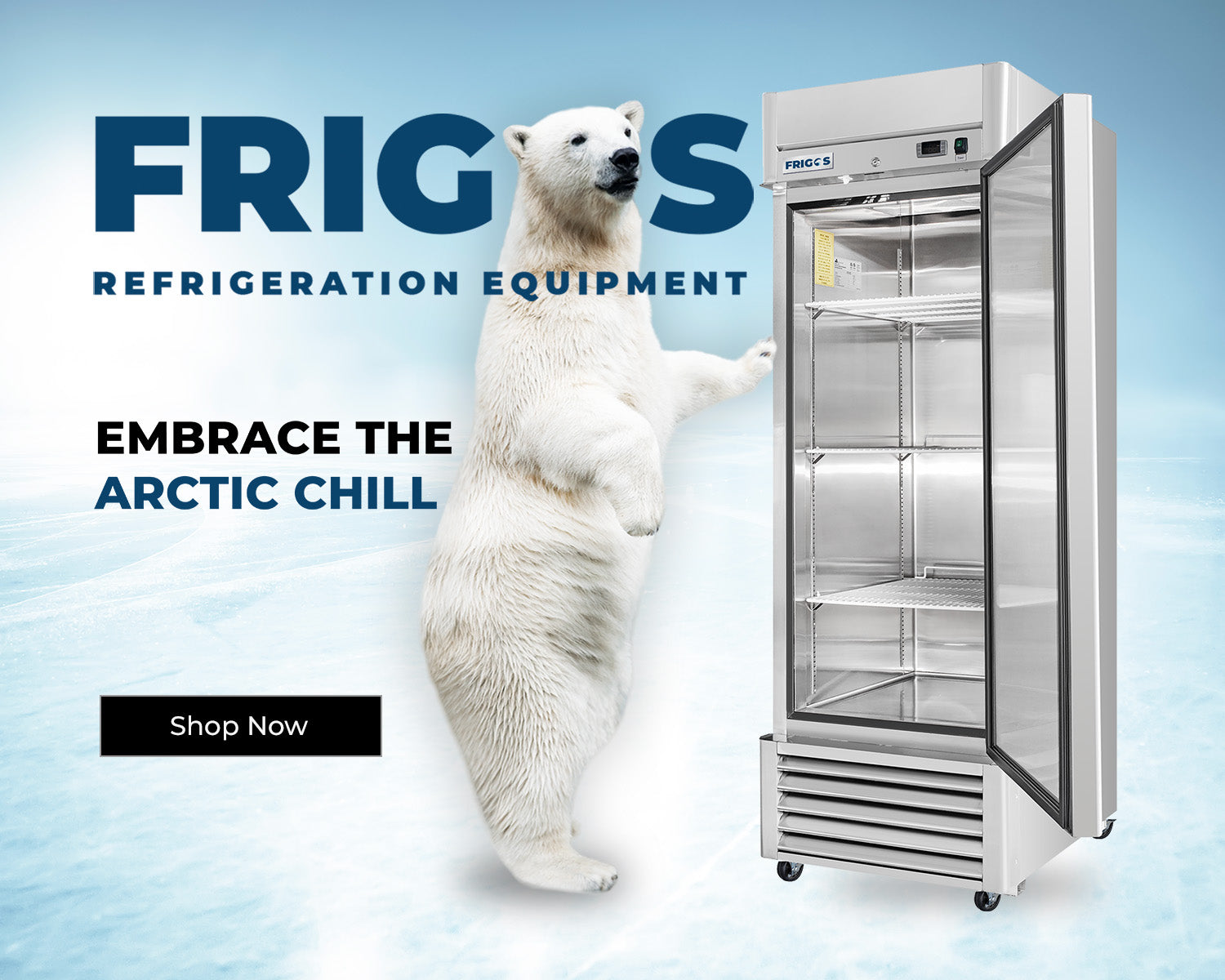
A commercial kitchen is a demanding environment, and your equipment needs to be tough enough to handle the heat, moisture, and constant use. Look for high-quality materials like commercial-grade stainless steel, which is resistant to rust, easy to clean, and built to last. Pay attention to the construction details—welded seams, reinforced frames, and sturdy components are all signs of a well-made product. Investing in durable equipment like the stainless-steel units in the Frigos Refrigeration line means fewer breakdowns, lower repair bills, and a longer service life for your gear.
Safety Certifications and Compliance
This one is non-negotiable. All commercial kitchen equipment must meet specific health and safety standards to protect your staff and customers. Look for certification marks like NSF (National Sanitation Foundation), which confirms the equipment is easy to clean and safe for food contact, and UL (Underwriters Laboratories), which certifies it meets electrical safety standards. Using uncertified equipment can lead to failed health inspections, fines, or even kitchen fires. Always verify that the equipment you’re considering is certified for commercial use in your region to ensure you’re fully compliant.
Warranty and Service Support
Even the best equipment can have issues, and when it does, you need to know you’re covered. A strong warranty is a sign that the manufacturer stands behind its product. Before you buy, read the warranty terms carefully to understand what’s covered—parts, labor, or both—and for how long. Beyond the warranty, consider the availability of service support. Can you easily get in touch with a technician if something goes wrong? A reliable vendor will offer accessible customer service and technical assistance to help you resolve problems quickly and minimize downtime in your kitchen.
How to Find the Best Deals on Kitchen Equipment
Outfitting your commercial kitchen is a huge investment, but it doesn't have to drain your budget. With a little strategy, you can find fantastic deals on the high-quality equipment your business needs. It’s all about knowing where to look and when to buy. Here are a few practical tips to help you secure the best prices without compromising on quality.
Look for Promotions and Discounts
One of the most straightforward ways to save is by keeping an eye out for promotions. Many suppliers run special offers or clearance events on top-tier restaurant equipment. Subscribe to newsletters from your favorite suppliers so you’re the first to know when a deal drops. Sometimes, you can find incredible value in specific product lines designed for budget-conscious businesses, like the Frigos Value Series, which offers reliable performance at an accessible price. Don’t be shy about asking sales reps about unadvertised specials or bundle deals—you might be surprised.
Explore Financing and Payment Plans
A top-of-the-line commercial refrigerator is a major purchase. If paying the full cost upfront feels daunting, look into financing options. Many equipment suppliers offer payment plans that allow you to spread the cost over time. This is a smart move for managing your cash flow, freeing up capital for other essential expenses like inventory or payroll. When you’re comparing suppliers, ask about their financing partners and what the terms look like. A flexible payment plan can make it possible to get the durable, high-performance equipment you need now, rather than settling for a less-than-ideal alternative.
Time Your Purchase to Maximize Savings
Timing can be everything when getting a great deal. Many retailers offer significant discounts during specific times of the year, like end-of-year sales or holiday promotions. If you can plan major purchases around these events, you could save a substantial amount. It’s also worth watching for when new models are released. Suppliers often discount previous models to make room for new inventory, giving you a chance to snag brand-new cooking equipment at a lower price. A little patience and strategic planning can go a long way in stretching your budget.
Making Your Final Purchase Decision
You’ve done the research, compared models, and narrowed down your options. Now it’s time to make the final call. This last stage is about more than just picking the cheapest option; it’s about making a smart, strategic investment in your business's future. A thoughtful decision now can save you from major headaches and unexpected costs down the road. Before you click "buy," take a moment to consider a few final factors that will ensure your new equipment serves you well for years to come. Thinking through the total cost, vendor reliability, and installation logistics will give you the confidence that you’re making the absolute best choice for your kitchen.
Plan Your Budget for the Total Cost of Ownership
The price tag is just the beginning of the story. To make a truly informed decision, you need to think about the total cost of ownership. High-quality equipment might have a higher initial cost, but it often pays for itself over time through lower energy bills, fewer repairs, and a longer lifespan. When you’re looking at a new reach-in refrigerator, for example, consider its energy efficiency rating and maintenance needs. An affordable unit that constantly needs repairs or drives up your utility costs isn't a bargain. Your budget should account for the equipment's entire lifecycle, making durable and efficient restaurant equipment a wise long-term investment for your business.
Evaluate Your Vendor and Their Support Services
Who you buy from is just as important as what you buy. A great vendor acts as a partner, offering support long after the sale is complete. Before you commit, look into the vendor’s reputation, customer service policies, and warranty offerings. Do they stand behind their products? For instance, a solid warranty on commercial ice equipment can provide incredible peace of mind. Check reviews and see what other business owners say about their experience. A reliable supplier will be transparent about their policies and available to help you with any issues, ensuring your kitchen operations continue to run smoothly.
Consider Installation and Training Needs
Finally, think about the logistics of getting your new equipment up and running. Will it require professional installation, or is it a simple plug-and-play setup? Make sure you understand the delivery process and any site preparation that might be needed. You should also consider if your team will need any training to use the new equipment safely and effectively. A new combi oven or a specialized prep table might have features your staff isn't familiar with. Planning for installation and training ensures a seamless transition and helps you get the most out of your new cooking equipment from day one.
Related Articles
- Choosing the Right Commercial Kitchen Equipment: A Buyer's Guide
- Commercial Range Buying Guide: Tips for Smart Purchases
- How to Get the Best Price Restaurant & Kitchen Supplies
Frequently Asked Questions
What's the single most important piece of equipment I should buy first? This is a great question, but the answer is different for everyone because it depends entirely on your menu. The most important piece of equipment is the one that’s most central to what you cook. For a steakhouse, it might be a high-performance charbroiler. For a bakery, it’s a reliable convection oven. Instead of looking for one "hero" appliance, I suggest you map out your menu from start to finish and identify the equipment that will do the heaviest lifting for your core dishes. That’s your starting point.
Is it really worth the extra money to buy new equipment instead of used? This decision comes down to balancing your immediate budget against long-term risk. Buying new gives you a manufacturer's warranty, peak energy efficiency, and the peace of mind that comes with being the first owner. It’s a predictable, reliable investment. Used equipment can save you a lot of money upfront, which is a huge help for startups, but it comes with the risk of unexpected repairs and no warranty. A smart approach is to invest in new equipment for your most critical, high-use items like your primary refrigerator, and consider well-maintained used pieces for less essential things like shelving or work tables.
How can I stick to a tight budget without ending up with unreliable equipment? Sticking to a budget doesn't mean you have to settle for low quality. One of the best strategies is to look for value-focused new equipment lines, like the Frigos Value Series, which are designed to offer solid performance without the premium price tag. You can also manage your cash flow by exploring financing options, which lets you get the right equipment now and pay for it over time. Finally, plan your purchases around seasonal sales or end-of-year promotions when suppliers often offer significant discounts.
What's the biggest mistake you see restaurant owners make when buying equipment? The most common mistake is buying equipment without a clear plan. This often happens when someone finds a "great deal" on an item they don't actually need or that doesn't fit their kitchen's workflow. They end up with an appliance that takes up valuable space or can't handle their busiest hours. Always start with your menu, calculate your capacity needs, and measure your space before you even start browsing. A well-thought-out checklist is your best defense against impulse buys that you'll regret later.
My kitchen is small. How do I choose equipment that fits and is still effective? In a small kitchen, every square inch counts, so your focus should be on efficiency and smart design. Start by meticulously measuring your space and creating a detailed floor plan. Look for multi-functional equipment, like a refrigerated prep table that provides both cold storage and a workspace in one footprint. You can also consider undercounter or countertop models instead of full-size units to save space. The key is to plan your layout for a smooth workflow, ensuring your team can move and work effectively without feeling cramped.