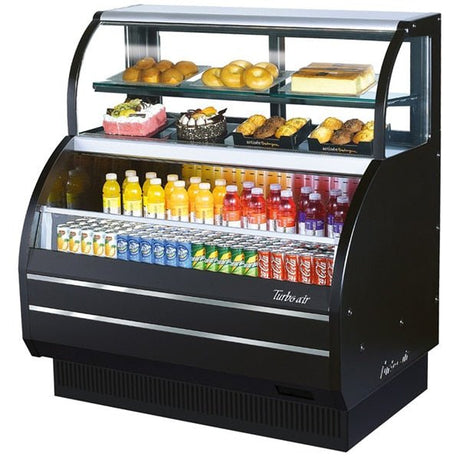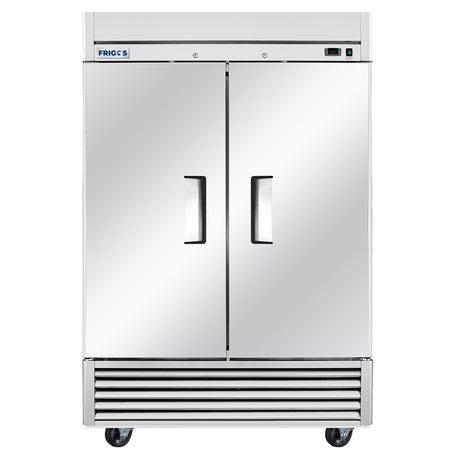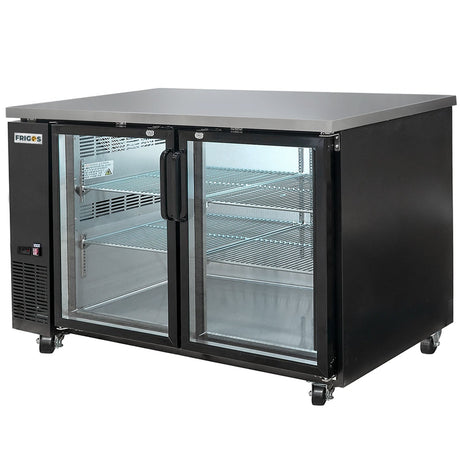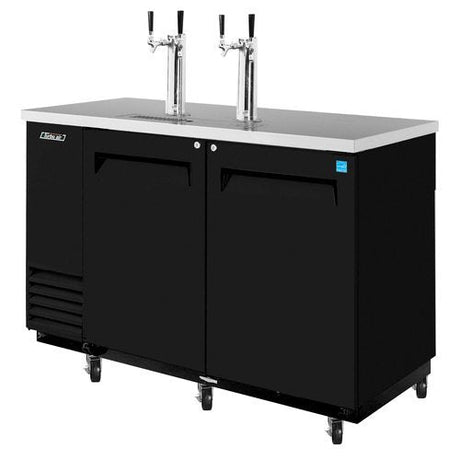




Nothing stops a busy kitchen faster than a broken appliance. That sinking feeling when a refrigerator stops cooling or a range won't ignite during a dinner rush is something every restaurant owner dreads. The good news is that a total equipment failure often comes down to a single, replaceable component. Understanding the world of commercial restaurant equipment parts is your best defense against costly downtime. Instead of waiting days for a technician or replacing an entire unit, you can often make a quick, targeted repair. This guide will show you how to identify the exact part you need, find reliable suppliers, and even stock a few key spares to keep your kitchen running smoothly.
Key Takeaways
- Know Your Numbers for a Perfect Match: Your equipment's model and serial numbers are the key to finding the right replacement part on the first try. Always have this information ready before you start searching to avoid ordering a component that doesn't fit.
- Invest in Quality to Save in the Long Run: The cheapest part is rarely the best deal. Opting for high-quality, reputable components ensures durability and reliability, preventing more frequent breakdowns and saving you money over time.
- Create a Smart Inventory for Emergencies: You don't need to stock every part, but keeping a small supply of high-wear and critical components is a game-changer. Having essential gaskets, thermostats, or fan motors on hand can turn a potential shutdown into a quick fix.
What Are Commercial Restaurant Equipment Parts?
Think of commercial restaurant equipment parts as the essential building blocks that keep your kitchen running smoothly. When a key piece of equipment breaks down, it’s usually a single component that’s to blame. These parts are the specific, often replaceable, pieces that make up your larger appliances. They can be as simple as a new knob for your range or a door gasket for your freezer, or as complex as a compressor for your walk-in cooler or a heating element for your deep fryer.
Understanding what these parts are is the first step toward smart kitchen management. Instead of replacing an entire, expensive unit, you can often perform a targeted repair by swapping out a faulty component. This not only saves you a significant amount of money but also minimizes downtime, which is critical in a busy food service environment. Every piece of restaurant equipment in your kitchen is a complex machine with many moving parts, and having a plan for when one of them fails is key to maintaining operational efficiency and protecting your investment. From the smallest screw to the largest motor, each part plays a role in the performance and longevity of your machinery, making part knowledge a powerful tool for any restaurant owner or manager.
Which Equipment Needs Replacement Parts?
Honestly, just about every appliance in a commercial kitchen will need a replacement part at some point. High-usage machines like refrigerators, ovens, fryers, and dishwashers are obvious candidates due to constant wear and tear. But even smaller workhorses like food processors, blenders, and mixers will eventually need new blades, belts, or switches. The key is to view maintenance as an ongoing process. Proactively replacing worn components on your refrigeration equipment can prevent a catastrophic failure during a dinner rush, extending the appliance's lifespan and ensuring it operates safely and efficiently.
Common Types of Parts
While every machine is different, some parts are more commonly replaced than others across the board. For cooking equipment, you’ll often find yourself looking for heating elements, thermostats, and pilot assemblies. In refrigeration, compressors, evaporator fan motors, and door gaskets are frequent needs. Beyond these basics, you’ll find a whole world of specialized components. Everything from water filters and pumps for commercial ice equipment to blades for slicers and belts for mixers is available to keep your entire operation in top shape. Knowing which parts your specific equipment relies on is crucial for quick and effective repairs.
How to Identify the Right Part for Your Equipment
When a piece of equipment goes down in a busy kitchen, the pressure is on to get it running again—fast. But ordering the wrong replacement part can lead to longer downtimes, wasted money, and even more damage to your machine. The good news is that you don't need to be a technician to find the exact component you need. Identifying the right part is a straightforward process if you know where to look.
Having the correct information on hand before you start your search is the single most important step. It ensures the part you order is a perfect match for your specific unit, guaranteeing a proper fit and function. With just a few key details, you can confidently find what you need and get your kitchen back to full capacity. Whether you're looking for a simple gasket for a refrigerator or a complex component for your oven, these simple steps will help you pinpoint the exact part every time.
Use Your Model and Serial Numbers
Your equipment’s model and serial numbers are the most reliable pieces of information you can have. Think of them as your machine's unique fingerprint. These numbers are typically found on a data plate or sticker, usually located on the back, side, or inside the door frame of the unit. Always have this information ready when searching for parts. It allows a supplier to pull up the exact schematics for your specific piece of restaurant equipment, eliminating any guesswork. Without these numbers, finding a compatible part becomes much more difficult and increases the risk of ordering something that won't fit or work correctly.
Find the Part Number on Your Equipment
If you can safely access the broken component, take a close look at the part itself. Many equipment parts have a specific number stamped, engraved, or printed directly on them. This part number is a direct identifier that you can use to search online or provide to a supplier. This method is especially helpful for common wear-and-tear items. Just be sure to turn off and unplug the equipment before you attempt to inspect or remove any components. Finding the part number directly can save you a lot of time and confirm you’re ordering the right piece for your refrigeration equipment.
Check the Manufacturer's Manual
Don’t forget about the owner’s manual that came with your equipment. It’s a valuable resource that often gets tucked away and forgotten. Most manuals include detailed diagrams of the machine with a complete list of its individual components and their corresponding part numbers. This is one of the best ways to visually confirm you're identifying the correct item. If you can't find the physical copy, a quick online search for the manufacturer and model number will often lead you to a digital PDF version. Keeping a folder with all your equipment manuals—digital or physical—is a smart practice for any kitchen manager.
What Kinds of Equipment Parts Are Available?
When a piece of equipment goes down, it can feel like your entire operation grinds to a halt. The good news is that almost every component in your kitchen is replaceable, from the smallest knob on your range to the most critical compressor in your freezer. Understanding the vast world of available parts helps you diagnose problems faster and get your kitchen back up and running with minimal downtime. Think of your restaurant equipment like a car—it's a collection of individual systems, and each system has components that can be repaired or replaced.
Suppliers typically categorize parts based on the equipment they belong to, making it much easier to find exactly what you need. Instead of searching through a massive, disorganized catalog, you can look specifically for refrigeration parts, cooking parts, or components for your food prep line. This organized system means you won't have to sift through thousands of unrelated items. Whether you're fixing a refrigerator, an oven, a slicer, or a specialty appliance, there’s a replacement part designed to get the job done. Knowing what's available empowers you to handle repairs confidently and keep your service seamless.
Refrigeration Parts
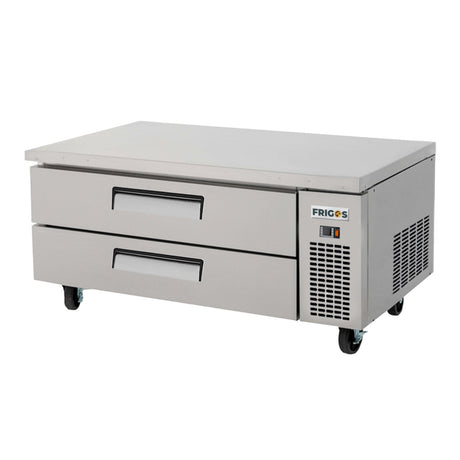
Your refrigeration units are some of the hardest-working pieces of equipment in your kitchen, and they have a lot of moving parts that can wear out. Common replacement items include compressors, fan motors, thermostats, and door gaskets—that worn-out seal is often a top culprit for energy loss. You can also find shelves, light bulbs, and door handles to keep your units looking and functioning their best. Given the complexity of modern Refrigeration Equipment, some suppliers offer dozens of part categories for these units alone. Keeping your Frigos refrigerator running smoothly means knowing where to find these essential components when you need them.
Cooking Equipment Parts
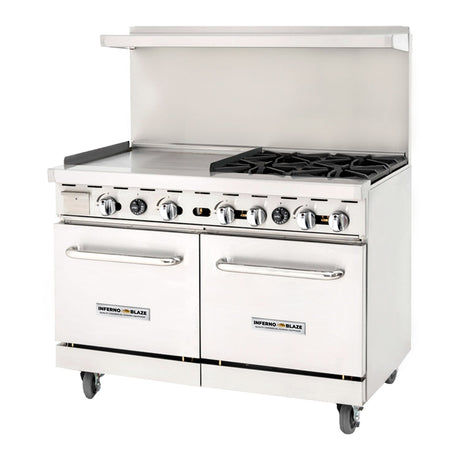
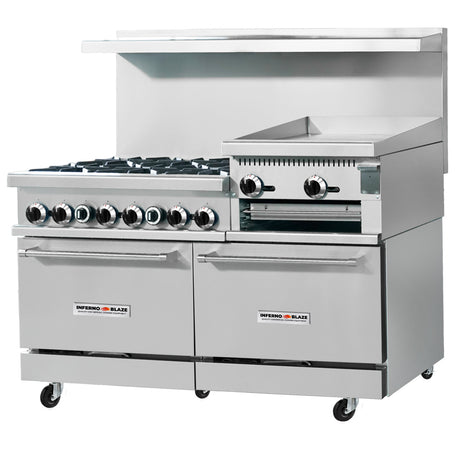
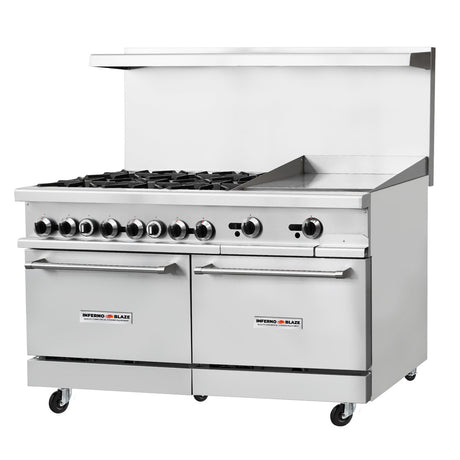
From ranges and ovens to fryers and griddles, your cooking line is the heart of your kitchen. The parts here often endure intense heat and heavy use, so they need regular attention. You’ll commonly find replacement burners, pilot assemblies, gas valves, and ignition modules for your gas appliances. For electric units, heating elements and control knobs are frequent replacements. Sourcing high-quality Cooking Equipment parts from trusted brands ensures your appliances perform safely and efficiently, so you can keep turning out perfect dishes without interruption and maintain your kitchen's rhythm.
Food Prep Equipment Parts
Food prep equipment, like slicers, mixers, and prep tables, is essential for a smooth workflow. When these items break, it can cause major bottlenecks in your kitchen's process. Luckily, parts for this category are widely available. For mixers, you might need a new agitator, bowl, or drive belt. Slicers often require replacement blades, sharpeners, or safety guards. Even your Food Display and Merchandising units have replaceable parts like lights and temperature controls. Having access to these components ensures your prep line operates at peak efficiency and safety.
Ice Machine Parts
Ice machines are specialty appliances with unique components that can wear out over time. If your machine stops producing ice or the quality drops, a faulty part is often the reason. Common replacements for Commercial Ice Equipment include water pumps, inlet valves, filters, and evaporator plates. You can also find parts for the harvest cycle, like bin switches and curtain magnets. Regular maintenance and timely replacement of these parts will keep a steady supply of clean, fresh ice ready for your customers, which is especially critical for any beverage-focused business.
Which Brands Offer the Best Equipment Parts?
When a critical piece of equipment goes down, the brand of the replacement part you choose matters just as much as the brand of the original machine. Sticking with reputable manufacturers ensures you get components that are built to last, fit correctly, and perform under pressure. The best brand often depends on the type of restaurant equipment you’re repairing. A top name in refrigeration might not be the go-to for cooking ranges, so it’s smart to know who the leaders are in each category.
Choosing a trusted brand for your parts is an investment in reliability. High-quality components can extend the life of your equipment, maintain its efficiency, and save you from the headache of another breakdown. Below, we’ll look at a leading brand for refrigeration parts, highlight other top-rated manufacturers in the industry, and break down the key differences between OEM and aftermarket parts to help you make an informed decision for your kitchen.
Frigos Refrigeration Parts
When it comes to refrigeration, you need parts you can count on to maintain precise temperatures and withstand constant use. Frigos is a standout brand known for its durable, high-quality refrigeration components. Using genuine Frigos parts for your units—from the budget-friendly Frigos Value Series to their premium lines—guarantees perfect compatibility and performance. This means your equipment will continue to run efficiently, keeping your ingredients safe and your energy bills in check. Whether you need a new compressor, thermostat, or door gasket, choosing a Frigos part ensures you’re getting the same reliability the original equipment was built with.
Other Top-Rated Manufacturers
Beyond refrigeration, several other brands have earned a strong reputation for producing dependable equipment and parts. Manufacturers like American Range, Montague, and Omcan are well-regarded in the industry for their quality and durability, especially when it comes to cooking equipment. These companies are known for engineering robust machines and providing reliable components to keep them running. When you’re sourcing parts for ovens, fryers, or steamers, looking to these established names is always a smart move. They have a proven track record, which gives you confidence that the parts will stand up to the demands of a commercial kitchen.
OEM vs. Aftermarket Parts: What's the Difference?
When you start shopping for parts, you’ll see two main categories: OEM and aftermarket. OEM stands for Original Equipment Manufacturer, meaning the part is made by the same company that built your machine. These parts guarantee a perfect fit and uphold your warranty, but they often come with a higher price tag. Aftermarket parts are made by third-party companies. They are usually more affordable, but the quality can vary, and installing one might void your equipment’s warranty. To ensure you get the right fit, it’s crucial to have your equipment’s model and serial numbers handy, whether you choose an OEM or aftermarket part.
Where to Find Reliable Parts Suppliers
Once you’ve identified the part you need, the next step is tracking it down. Your kitchen can’t afford long downtimes, so knowing where to look for quality components is key. The best source often depends on how quickly you need the part, your budget, and whether you’re looking for a common item or something more specific. From sprawling online marketplaces to your local equipment dealer, you have plenty of options. The trick is knowing which one to turn to for your specific situation.
For routine maintenance parts or common replacements, online suppliers offer convenience and competitive pricing. If you’re dealing with a complex repair or need expert advice, a local service provider might be a better fit. And for specialized components or to guarantee a perfect match for your equipment, going directly to the manufacturer is often the most reliable path. Exploring each of these avenues will help you build a network of trusted suppliers you can count on whenever a piece of equipment needs attention. This way, you’re always prepared to get your kitchen back to full strength without missing a beat.
Online Suppliers and Marketplaces
The internet is your largest and most accessible catalog for commercial kitchen parts. Online suppliers offer a massive selection, making it easier to find exactly what you need, often at a competitive price. Sites like WebstaurantStore are known for their huge inventory, covering everything from refrigeration to cooking equipment. Other specialists, like PartsFPS, focus on providing a wide variety of quality parts for foodservice professionals.
These platforms are great because you can compare options and prices quickly. Many, like AllPoints, also prioritize fast ordering and shipping to minimize your kitchen’s downtime. The key is to have your part number ready to make your search simple and accurate.
Local Dealers and Service Providers
Sometimes, you need more than just a part—you need a bit of guidance. This is where local dealers and service providers shine. Building a relationship with a local expert means you have someone to call who understands your equipment and your business. They can offer personalized advice, confirm you’re ordering the right component, and may even have common parts in stock for immediate pickup.
Companies like Restaurant Equippers have built a reputation on providing not just parts but also knowledgeable support. A local supplier can be an invaluable partner in keeping your kitchen running smoothly, especially when you’re in a pinch and can’t afford to wait for shipping.
Ordering Directly from the Manufacturer
When you need to be 100% certain you’re getting the right part, going straight to the source is your best bet. Ordering from the manufacturer guarantees compatibility and quality, as the part is made specifically for your machine. This is especially important for critical components in your high-end cooking equipment or specialized units like a Frigos Platinum Series refrigerator.
To make the process seamless, always have your equipment’s model and serial numbers on hand. As experts point out, these numbers are the key to unlocking the exact parts list for your specific unit. Without them, finding the correct component can be a frustrating guessing game. Contacting the manufacturer directly eliminates the guesswork and ensures you get a perfect fit every time.
How to Compare Parts for Quality and Price
Once you’ve found a few potential parts, it’s time to weigh your options. The cheapest part isn't always the best choice, especially when a faulty component can shut down your entire kitchen. A little extra research at this stage can save you from major headaches and expenses later. You'll want to look beyond the price tag and consider the part's quality, the supplier's reliability, and the long-term costs associated with your purchase. This balanced approach ensures you get the best value for your money and keep your restaurant equipment running smoothly.
Check for Quality and Durability
The quality of a replacement part directly impacts its performance and lifespan. Opting for parts from reputable brands ensures they are built to last and will be compatible with your equipment. For instance, using genuine parts for a Frigos Value Series refrigerator guarantees a perfect fit and reliable operation. High-quality components are designed to withstand the demands of a commercial kitchen, reducing the risk of premature failure. While they might cost a bit more upfront, their durability often translates to fewer replacements and less downtime, making them a smarter investment for your business.
Review Warranties and Return Policies
Think of a warranty as a safety net for your purchase. Before you buy any part, take a close look at the warranty agreement and the supplier’s return policy. A strong warranty shows that the manufacturer stands behind its product. It protects you from defects and unexpected failures, saving you from surprise repair costs. Understand what the warranty covers, how long it lasts, and what the process is for making a claim. A clear and fair return policy is also important in case you accidentally order the wrong part.
Consider Supplier Reputation and Speed
Your kitchen can’t afford to wait weeks for a critical part. That’s why choosing a supplier with a solid reputation for reliability and fast shipping is essential. Look for suppliers known for their excellent customer service and ability to deliver parts quickly. A dependable partner understands the urgency of kitchen repairs and can help you minimize operational disruptions. Check reviews and ask for recommendations from other restaurant owners to find a supplier you can trust to get you the right parts when you need them most.
Calculate the Total Cost of Ownership
The initial price of a part is only one piece of the puzzle. To make a truly informed decision, you need to consider the total cost of ownership. This includes the purchase price plus any future expenses like maintenance, energy consumption, and potential downtime caused by a cheaper, less reliable part. A high-quality, energy-efficient component might have a higher sticker price but could save you money on utility bills and repairs over its lifetime. Evaluating the long-term financial impact helps you choose a part that offers the best overall value.
How to Avoid Common Mistakes When Ordering Parts
Ordering the wrong part for your commercial kitchen equipment is more than just an inconvenience—it means extended downtime, lost revenue, and the headache of returns. A broken-down refrigerator or oven can bring your entire operation to a halt. The good news is that most ordering mistakes are completely avoidable. With a little bit of prep work and attention to detail, you can get the right part on the first try and get your kitchen back up and running smoothly. Taking a few extra minutes to confirm details before you click "buy" will save you hours of frustration later.
Double-Check Compatibility Before You Buy
The single most important step in ordering a replacement part is confirming it’s compatible with your machine. It might look right, but a slight difference in size or connection can make it useless. Before you even start your search, locate the data plate on your equipment—it’s usually a small metal tag on the back or side of the unit. Write down the model and serial numbers. This information is your golden ticket to finding the exact part you need. Reputable suppliers will use these numbers to guarantee a perfect fit, ensuring your cooking equipment or refrigeration unit performs as it should.
Know the Risks of Counterfeit Parts
When a critical piece of equipment goes down, it’s tempting to find the cheapest, fastest fix. However, opting for a suspiciously low-priced part from an unknown seller can be a costly mistake. Counterfeit parts are a major risk in the industry; they aren't built to the manufacturer's standards and can cause catastrophic equipment failure or even create safety hazards in your kitchen. Using a non-certified part can also void your equipment’s warranty. Always source your components from a reputable supplier to ensure you’re getting genuine, high-quality parts that will keep your Frigos Value Series refrigerator running safely and efficiently.
Get Your Measurements and Specs Right
Beyond model numbers, some parts require you to confirm physical measurements and technical specifications. For example, if you’re replacing a door gasket, you’ll need the exact dimensions to ensure a proper seal. If you’re ordering a new compressor, you must match the voltage, horsepower, and refrigerant type. Don’t just eyeball it. Take precise measurements and check the manufacturer’s manual for the correct technical specs. Getting these details right from the start ensures the part will not only fit physically but will also function correctly within the system, preventing further damage and costly follow-up repairs.
Which Refrigeration Parts Should You Keep in Stock?
When a critical piece of equipment goes down, every minute of downtime costs you money. While you can’t stock a spare for every single component, keeping a small inventory of essential parts for your commercial refrigeration units is a smart strategy. Having the right part on hand can turn a multi-day, service-call-worthy crisis into a quick, 30-minute fix.
Focus on stocking parts that are prone to wear and tear or are absolutely vital for operation. This proactive approach ensures your kitchen stays running, your food stays safe, and your revenue stream remains uninterrupted. Here are the top three types of refrigeration parts to always have on hand.
Compressor and Cooling System Components
The compressor is the heart of your refrigeration system, responsible for circulating refrigerant to keep the unit cool. Along with fan motors and evaporator coils, these components are the workhorses of your cooling system. If one of them fails, your refrigerator or freezer stops working entirely. While a compressor can be a pricier part to stock, having one ready for your most essential Frigos Refrigeration unit can save you from emergency replacement costs and disastrous food spoilage. At a minimum, keeping smaller items like fan motors in your inventory can significantly reduce downtime and keep your kitchen operating smoothly.
Door Seals and Gaskets
Door seals and gaskets might seem like minor details, but they are crucial for maintaining temperature and energy efficiency. Over time, these seals can crack, tear, or become brittle, allowing cold air to escape. When this happens, your refrigeration unit has to work much harder to stay cool, driving up your energy bills and putting extra strain on the compressor. Regularly inspecting the gaskets on your reach-in refrigerators and freezers is a must. Keeping replacement gaskets in stock allows you to swap them out at the first sign of wear, ensuring a tight seal that saves energy and extends the life of your equipment.
Thermostats and Temperature Controls
Maintaining precise temperatures is non-negotiable in a commercial kitchen. Thermostats and temperature controls are vital for ensuring your equipment operates correctly and meets all food safety standards. A faulty thermostat can cause temperature fluctuations that spoil thousands of dollars worth of inventory or, worse, lead to a failed health inspection. Since these controls can fail without warning, having replacements in your inventory is a wise move. A quick swap can get your unit back to the correct temperature, protecting your food, your customers, and your business’s reputation.
How to Create a Smart Parts Inventory Strategy
A broken-down piece of equipment can bring your entire kitchen to a halt. While you can't predict every failure, you can create a smart parts inventory strategy to minimize downtime and keep your service running smoothly. This isn't about stockpiling every part imaginable; it's about being strategic and prepared. A good plan helps you distinguish between routine upkeep and a full-blown emergency, ensuring you have what you need when you need it most. By thinking ahead, you can turn a potential crisis into a manageable task. Let's break down how to build an inventory plan that works for your kitchen.
Stock Parts for Preventive Maintenance
The best way to deal with equipment failure is to prevent it from happening in the first place. Stocking parts for preventive maintenance is a proactive approach that keeps your machines in top condition. Think about the components that wear out with regular use, like door gaskets on your Frigos Refrigeration unit, water filters for your ice machine, or belts on a mixer. Keeping these on hand allows you to stick to a regular maintenance schedule without having to place an order every time. This simple habit extends the lifespan of your equipment and helps you avoid those stressful, unexpected breakdowns during a busy dinner rush.
Keep Critical Spares on Hand
Some parts are more critical than others. While a worn gasket is an inconvenience, a failed compressor relay can shut down your walk-in freezer entirely. You need to identify the essential pieces of equipment that your business cannot operate without. For these mission-critical machines, it’s wise to keep spare parts for components that are common points of failure. This might include items like thermostats, ignitors for your cooking equipment, or specific motors. Having these critical spares in your inventory can be the difference between a quick fix and days of lost revenue while you wait for a delivery.
Plan for Routine vs. Emergency Replacements
A solid inventory strategy accounts for both planned maintenance and unexpected emergencies. For routine replacements, you can schedule your orders in advance, ensuring you always have filters and seals ready. For emergencies, your plan should focus on speed and accuracy. Keep a detailed record of all your major restaurant equipment, including model and serial numbers, in an easily accessible place. This information is vital for ordering the correct part quickly when you're under pressure. By separating your inventory needs into these two categories, you can manage your stock more effectively and ensure you’re prepared for any situation.
Related Articles
- Choosing the Right Commercial Kitchen Equipment: A Buyer's Guide
- How to Get the Best Price Restaurant & Kitchen Supplies
- The Expert Guide to Commercial Bottle Coolers
Frequently Asked Questions
When should I repair a piece of equipment versus replacing the whole thing? A great rule of thumb is to consider the "50% rule." If the cost of the repair is more than half the price of a new unit, it's usually smarter to invest in a replacement. You should also think about the age of the equipment and its repair history. If an older machine is breaking down frequently, you're likely better off replacing it to avoid the constant costs and downtime from repeated fixes.
Can I install these replacement parts myself, or should I always call a technician? This really depends on the complexity of the repair and your own comfort level. Simple swaps like replacing a door gasket, a shelf, or a control knob are often easy enough to handle on your own. However, for more technical jobs involving electrical wiring, gas lines, or the sealed refrigeration system, it's always best to call a qualified professional. A botched repair can lead to more damage or create a serious safety hazard.
What should I do if I can't find the model or serial number on my equipment? If the data plate is missing or unreadable, don't panic. Your next best step is to take clear photos of the equipment from multiple angles, as well as a close-up of the broken part itself. A knowledgeable supplier can often identify the unit and the necessary component from these pictures. You can also check your original purchase invoice, as it will likely have the model number listed.
Is it really worth the extra cost to buy an OEM part instead of a cheaper aftermarket one? In most cases, yes. An OEM (Original Equipment Manufacturer) part is an exact match for the one you're replacing, which guarantees it will fit and function correctly. This is especially important for critical components that affect performance and safety. While an aftermarket part might save you a few dollars upfront, it could lead to lower efficiency, further damage, or even void your equipment's warranty.
How do I start a parts inventory without buying a bunch of stuff I'll never use? Start small and be strategic. Begin by identifying your most critical pieces of equipment—the ones your kitchen can't function without. Then, for those machines, stock only the most common and easy-to-replace wear-and-tear items. Think about things like door gaskets for your Frigos refrigerator or water filters for your ice machine. This approach ensures you're prepared for the most likely issues without tying up a lot of cash in parts you may not need for years.