



Refrigeration is the backbone of every professional food service operation. Without reliable cold storage, food safety, quality, and efficiency quickly fall apart. Among all commercial refrigeration solutions, the reach in refrigerator remains one of the most practical and widely used options in modern kitchens.
This in-depth guide from Kitchen Pro Restaurant Equipment explains everything you need to know about reach-in refrigerators—from what they are and how they work to their types, costs, energy efficiency, and how to select the right unit for your business.
Understanding the Concept of a Reach-In Refrigerator
Reach-in refrigerators are vertical, front-opening refrigerators that make it simple and quick to get cold food. In contrast to walk-in fridge systems, reach-in units enable employees to quickly grab materials without having to leave the kitchen workspace.
A commercial reach-in refrigerator is designed with professional settings in mind. Compared to home refrigerators, it is significantly more powerful, robust, and long-lasting. In demanding commercial kitchens, these units are made to run continuously, manage numerous door openings, and maintain safe temperatures.
Reach-in refrigerators are a common commercial kitchen refrigerator option for cafés, restaurants, hotels, and catering companies due to its usefulness.
How a Reach-In Refrigerator Keeps Food Cold
The closed refrigeration system that powers a reach-in refrigerator extracts heat from the interior of the cabinet and releases it outside. The refrigerant is compressed by the compressor and passes through condenser coils to liberate heat. Through evaporator coils, the cooled refrigerant subsequently absorbs heat from within the cabinet.
All shelves have uniform temperatures thanks to internal circulation fans that evenly circulate cold air. Even in hectic kitchens, high-quality insulation and tight door seals help stop temperature loss.
A commercial refrigerator can maintain safe storage conditions for extended periods of time thanks to this sophisticated mechanism.
Exploring the Main Styles of Reach-In Refrigerators
There is no single “one-size-fits-all” reach-in refrigerator. Different kitchen sizes and storage needs require different configurations.
One-Door Reach-In Units
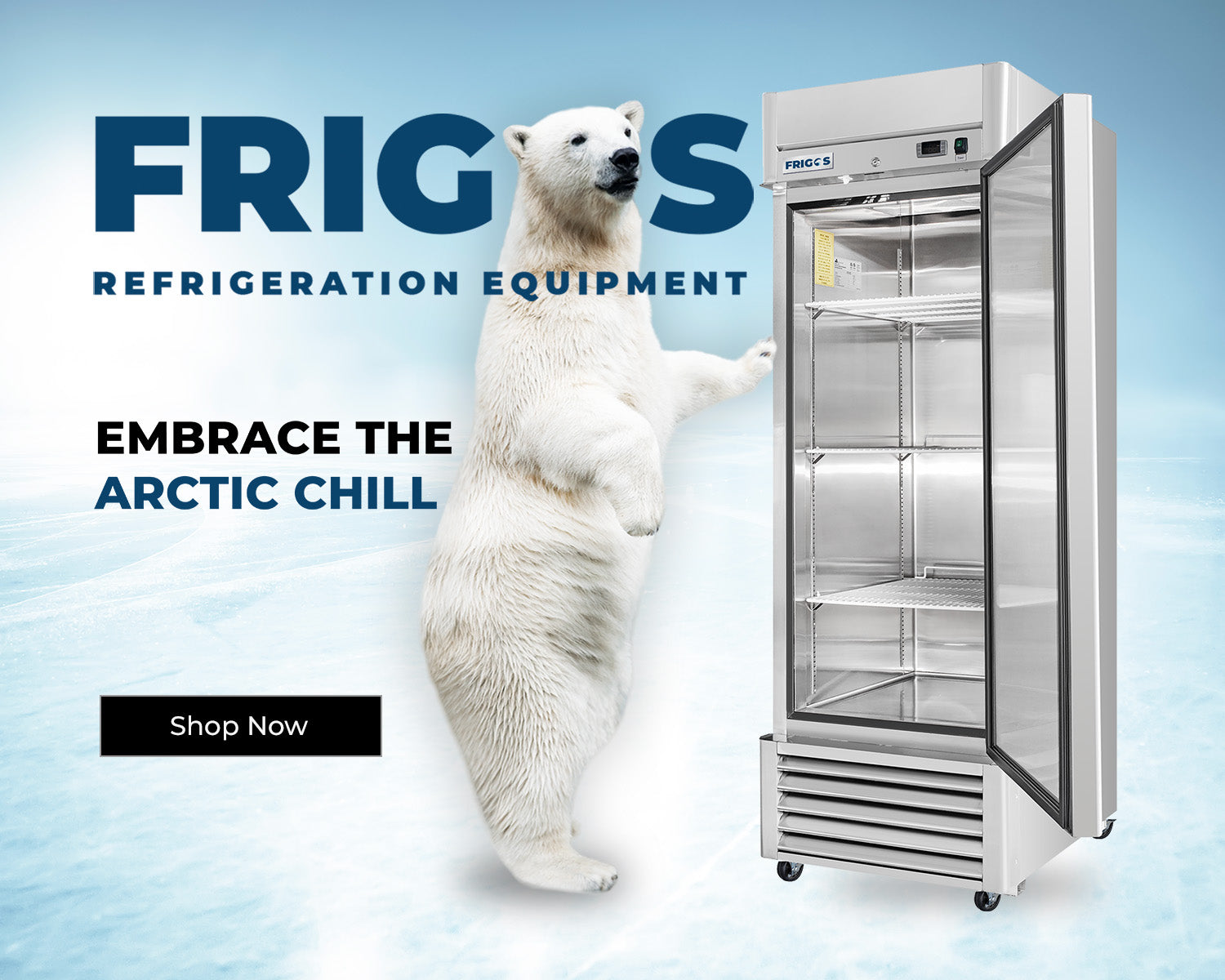
A single door refrigerator is compact and efficient, making it ideal for small restaurants, coffee shops, bakeries, and prep stations. It offers enough space for daily essentials while fitting into limited kitchen layouts.
Two-Door Reach-In Models
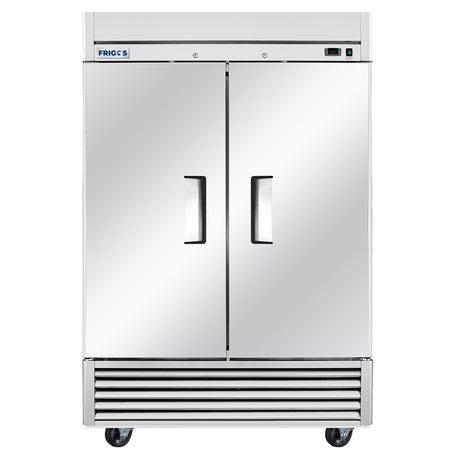
A double door refrigerator provides increased storage capacity and better organisation. It allows staff to separate ingredients, improving food safety and workflow efficiency in medium-sized kitchens.
Three-Door Commercial Refrigerators
A three door refrigerator is designed for high-volume food service operations. With multiple compartments, it reduces door-opening frequency and helps maintain stable internal temperatures.
Split or Half-Door Designs
Half-door refrigerators allow access to only part of the cabinet at a time. This reduces cold air loss and improves energy efficiency in busy kitchens.
Solid Door Reach-In Refrigerators
A solid door reach in refrigerator offers superior insulation and temperature stability. These models are ideal for back-of-house use where visibility is not a priority.
Glass Door Reach-In Refrigerators
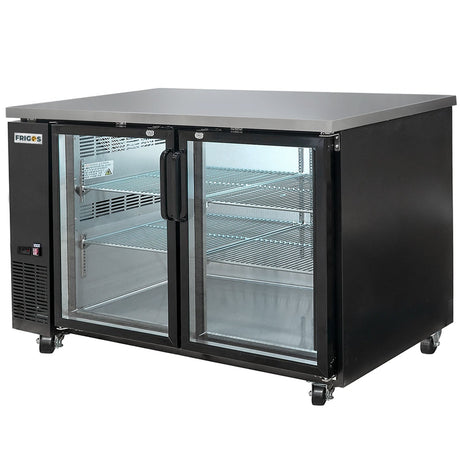
A glass door reach in refrigerator allows staff to see stored items without opening the door. This improves inventory control, reduces energy waste, and speeds up kitchen operations.
Standard Size Ranges for Reach-In Refrigerators
Reach-in refrigerators are available in a range of sizes to accommodate various kitchen configurations. Double and three-door units are taller and wider than single-door variants, which are thinner and use less floor space.
The majority of commercial reach refrigerators are made to fit beneath typical ceiling heights, however sufficient space is needed for door movement and ventilation. For optimal installation and performance, you must measure the space you have available before making a purchase.
Temperature Control and Food Safety Standards
A commercial kitchen refrigerator typically operates within a temperature range of 0°C to 4°C (32°F to 40°F). This range slows bacterial growth and preserves food quality.
Reliable temperature consistency is critical for food safety compliance. A high-quality reach-in refrigerator ensures stable cooling even during peak kitchen hours.
Common Places Where Reach-In Refrigerators Are Used
A reach in refrigerator for restaurant use is extremely common, but these units are also essential in many other environments. Hotels, catering companies, bakeries, hospitals, schools, and institutional kitchens rely on reach-in refrigeration daily.
Their space-saving design and easy access make them ideal for operations that require frequent ingredient retrieval without sacrificing food safety.
Pricing Expectations for Reach-In Refrigerators
The cost of a commercial refrigerator varies depending on size, door configuration, material, and features. Entry-level single-door models are generally more affordable, while larger stainless steel refrigerator units with multiple doors cost more.
At Kitchen Pro Restaurant Equipment, we focus on offering durable, long-lasting refrigeration solutions that provide excellent value over time rather than short-term savings.
What Affects the Performance of a Reach-In Refrigerator?
Several factors influence how efficiently a reach-in refrigerator operates. These include compressor quality, insulation thickness, airflow design, and door usage frequency.
Poor internal organisation can block airflow and reduce cooling efficiency. Placing the unit away from heat-producing equipment also helps maintain consistent temperatures and reduce energy consumption.
Best Practices for Reach-In Refrigerator Maintenance
A commercial reach-in refrigerator's lifespan can be greatly increased with proper maintenance. To uphold hygienic requirements, interior surfaces and shelves should be cleaned on a regular basis.
To avoid overheating, condenser coils must be kept clear of grease and dust. To guarantee adequate sealing, door gaskets should be examined for wear. Costly malfunctions and downtime can be avoided with preventive maintenance.
Typical Problems and How to Handle Them
Some common issues with reach-in refrigerators include uneven cooling, excessive frost buildup, and unusual operational noises. These problems are often caused by blocked airflow, dirty condenser coils, or damaged door seals.
Addressing small issues early helps prevent major repairs and ensures uninterrupted kitchen operations.
Safe Usage Guidelines for Commercial Kitchens
Safety is critical when using any commercial kitchen refrigerator. Avoid overloading shelves, as this restricts airflow and reduces cooling efficiency.
Raw foods should always be stored separately from cooked or ready-to-eat items to prevent cross-contamination. Ensure the refrigerator is properly installed and electrically grounded according to safety standards.
Energy Consumption and Efficiency Considerations
Energy efficiency has been enhanced in the design of contemporary stainless steel refrigerators. Modern compressors, improved insulation, and effective airflow systems all contribute to lower electricity consumption.
Another important factor in energy savings is selecting the right size refrigerator for your business. While an undersized unit puts in more effort than is necessary, an enormous unit wastes electricity.
Selecting the Right Reach-In Refrigerator for Your Business
Choosing the right reach-in refrigerator depends on several factors, including kitchen size, storage volume, and daily workflow. Smaller operations benefit from compact single-door units, while busy restaurants require double or three-door models.
You should also decide between a glass door reach in refrigerator and a solid door reach in refrigerator based on visibility needs and energy efficiency goals. Kitchen Pro Restaurant Equipment provides expert support to help businesses make the right choice.
Reach-In Refrigerators vs Walk-In Refrigeration
A walk-in refrigerator is designed for bulk storage and requires a dedicated room. A reach-in refrigerator, on the other hand, is compact and designed for quick, frequent access.
Most commercial kitchens use reach-in refrigerators for daily operations and walk-ins for long-term storage.
Reach-In Refrigerators Compared to Merchandiser Units
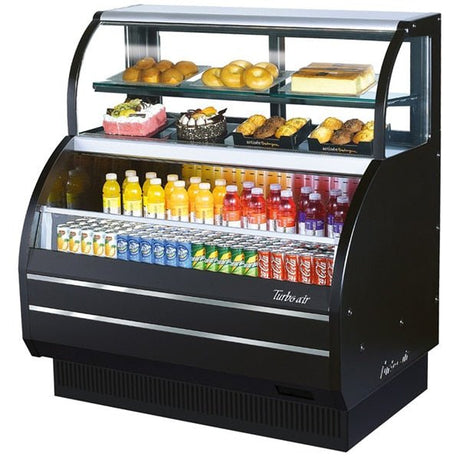
Merchandiser refrigerators are designed primarily for product display and customer visibility. Reach-in refrigerators focus on durability, temperature stability, and food safety.
For professional kitchen operations, reach-in refrigerators are the preferred choice due to their performance and reliability.
Where to Purchase Reliable Reach-In Refrigerators

Choosing the right supplier is just as important as choosing the right equipment. Kitchen Pro Restaurant Equipment specializes in professional-grade refrigeration solutions designed for real-world kitchen demands.
Our team works closely with food service businesses to provide reach-in refrigerators that deliver long-term performance, efficiency, and reliability.
Conclusion
A reach in refrigerator is one of the most important investments for any professional kitchen. It supports food safety, improves workflow, and ensures ingredients remain fresh and ready for service.
Whether you need a single door refrigerator, double door refrigerator, or three door refrigerator, selecting the right commercial reach in refrigerator will directly impact your kitchen’s efficiency and success. With expert guidance and dependable equipment from Kitchen Pro Restaurant Equipment, you can build a refrigeration system that supports your business today and in the future.