


Every piece of equipment in your kitchen should be working to improve your bottom line. While the upfront cost is a major consideration, the smartest owners think about the long-term return on investment. A high-quality, energy-efficient refrigerator, for example, can save you hundreds in utility bills and prevent costly food spoilage. This guide reframes the process of buying commercial restaurant equipment from a simple expense to a strategic financial decision. We’ll show you how to assess factors like energy consumption, durability, and warranty support to ensure every dollar you spend contributes directly to your restaurant's profitability and long-term success.
Key Takeaways
- Map Your Menu and Space First: Before looking at specific models, define what you'll be cooking and measure your kitchen layout. This ensures every piece of equipment you purchase directly supports your workflow and fits perfectly in your space.
- Look Beyond the Initial Price Tag: The true cost of equipment includes long-term expenses like energy consumption and maintenance. Prioritize durable, energy-efficient models with a strong warranty to get the best value over the appliance's lifespan.
- Partner with Reputable Brands and Dealers: Choosing a trusted manufacturer and an authorized dealer provides more than just a product—it gives you access to expert advice, reliable performance, and essential service support to protect your investment.
What Is Commercial Restaurant Equipment?
Think of commercial restaurant equipment as the professional-grade toolkit for your culinary business. Unlike the appliances you have at home, this gear is built to handle the intense demands of a busy kitchen—day in and day out. It’s designed for high-volume output, durability, and compliance with strict health and safety standards. From the refrigerator that keeps your ingredients perfectly chilled to the oven that cooks dishes to perfection, each piece plays a vital role in your daily operations.
Investing in the right restaurant equipment is one of the most important decisions you'll make. It’s the foundation of your kitchen’s workflow, directly influencing how smoothly your team can prep, cook, and serve. The right tools not only make your kitchen more efficient but also ensure you can consistently deliver the high-quality food your customers expect.
The Core Categories of Kitchen Gear
Every commercial kitchen is built around a few core equipment categories. First up is Refrigeration Equipment, the unsung hero of food safety. This includes everything from walk-in coolers and reach-in freezers to specialized prep tables that keep ingredients fresh and at the proper temperature. Next is your Cooking Equipment—the heart of the action. This category covers your ranges, ovens, fryers, and grills, which are essential for bringing your menu to life. Then you have Food Preparation Equipment, like mixers, slicers, and processors, which streamline tedious tasks and ensure consistency. Finally, Storage and Dishwashing gear, like shelving and commercial dishwashers, keeps your kitchen organized, sanitary, and running smoothly.
How It Impacts Kitchen Efficiency and Food Quality
The equipment you choose has a direct and powerful impact on your kitchen's performance. High-quality, reliable tools create a seamless workflow, allowing your staff to work faster and with less stress. Imagine a prep line where everything is within reach or a freezer that maintains a perfect, consistent temperature—these details prevent delays and reduce food waste. This efficiency translates directly to better food quality. When your equipment performs reliably, your chefs can execute recipes with precision, ensuring every dish that leaves the kitchen meets your standards. Ultimately, great equipment helps you serve safer, better-tasting food, which is the key to happy, returning customers.
What Equipment Does Your Commercial Kitchen Need?
Outfitting a commercial kitchen can feel like a high-stakes game of Tetris. You have a limited amount of space and a long list of needs. The key is to focus on the core functions of your kitchen: storing food safely, cooking it perfectly, preparing it efficiently, and cleaning up afterward. Each piece of equipment you choose should support these functions and work together to create a smooth, productive workflow. Think of your equipment as your team—each player has a specific role, and you need the right lineup to win.
Before you start shopping, map out your menu. The dishes you plan to serve will dictate the exact equipment you need. A bakery requires different ovens and mixers than a steakhouse, which will need high-powered grills and charbroilers. Once you have a clear vision for your menu, you can build your equipment list around it, ensuring every purchase serves a direct purpose. This strategic approach helps you invest in what truly matters and avoid costly items that will only gather dust. From there, you can break down your needs into four main categories: refrigeration, cooking, food preparation, and sanitation.
Refrigeration Equipment
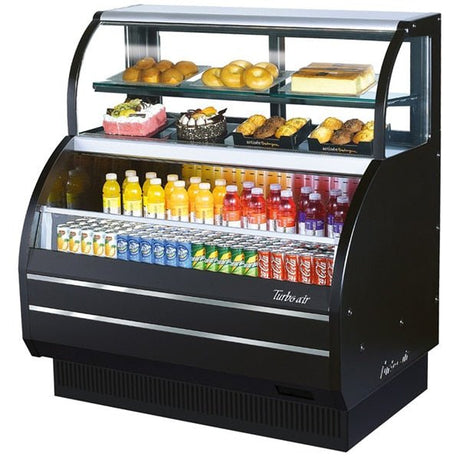
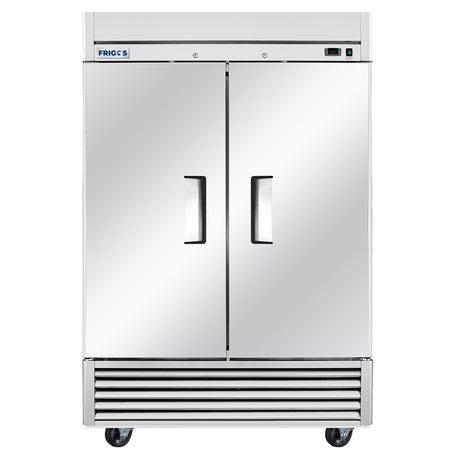
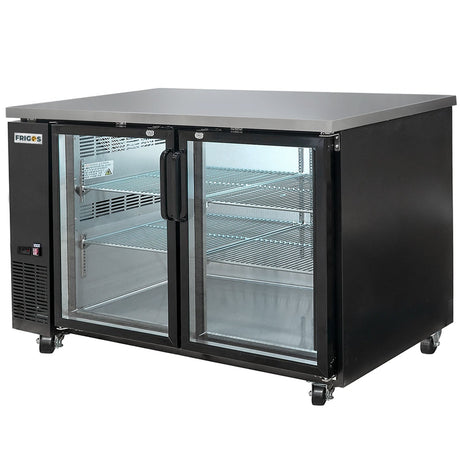
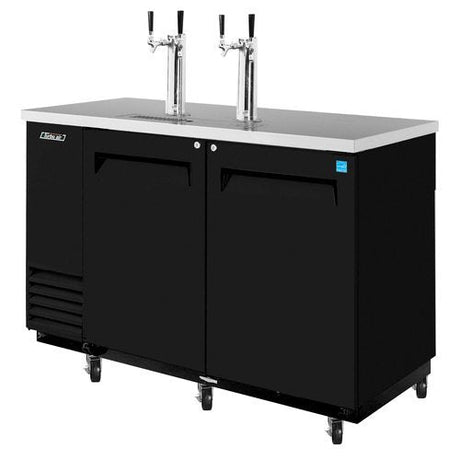
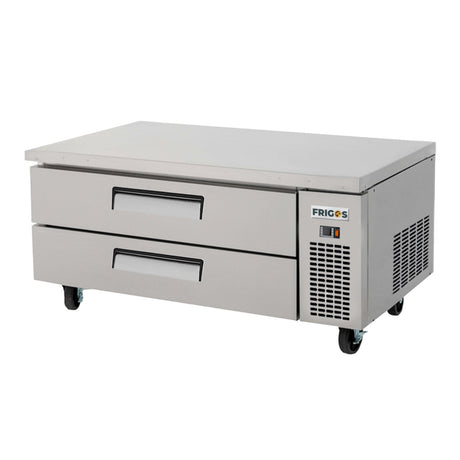
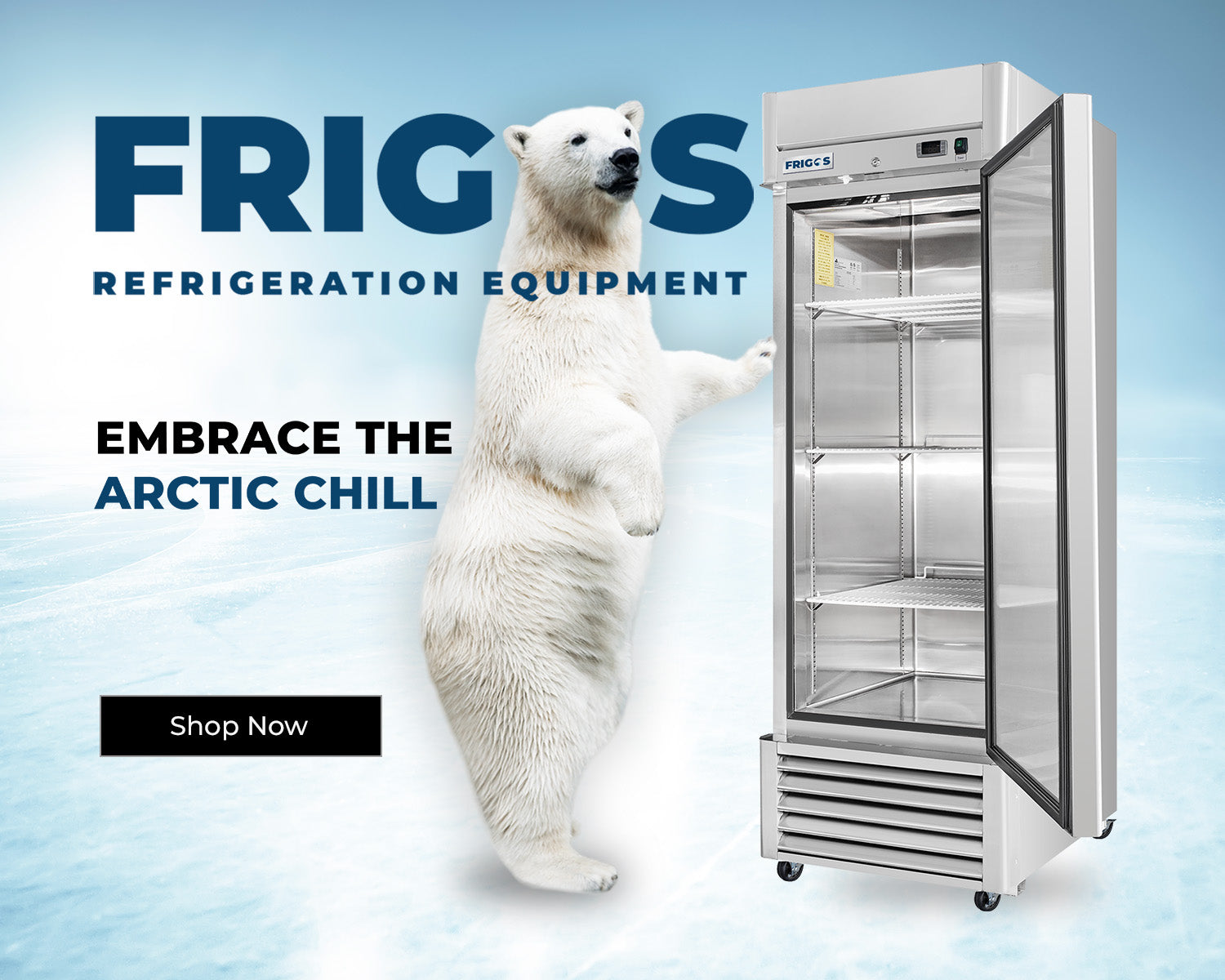
Proper refrigeration is the backbone of food safety and quality in any professional kitchen. This isn't just about keeping things cold; it's about maintaining precise, consistent temperatures to prevent spoilage and keep your ingredients fresh. Your essential lineup will likely include reach-in refrigerators and freezers for bulk storage, as well as specialized prep tables with built-in cooling. For customer-facing areas, glass-door merchandisers are perfect for showcasing drinks and grab-and-go items. Investing in reliable refrigeration equipment from a trusted brand like Frigos ensures your inventory is protected and your kitchen runs efficiently day in and day out.
Cooking Equipment
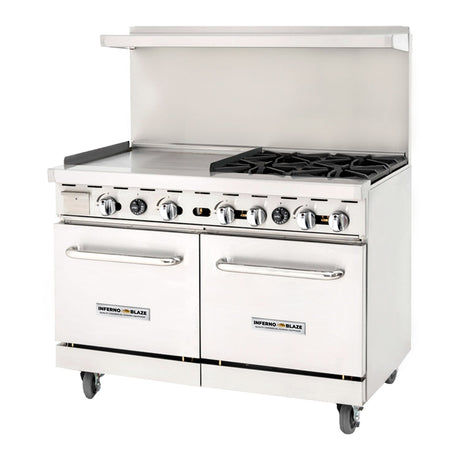
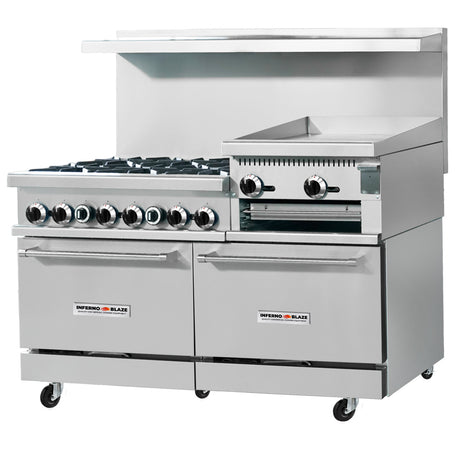
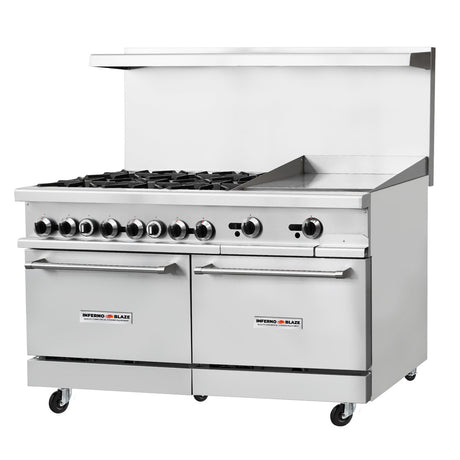
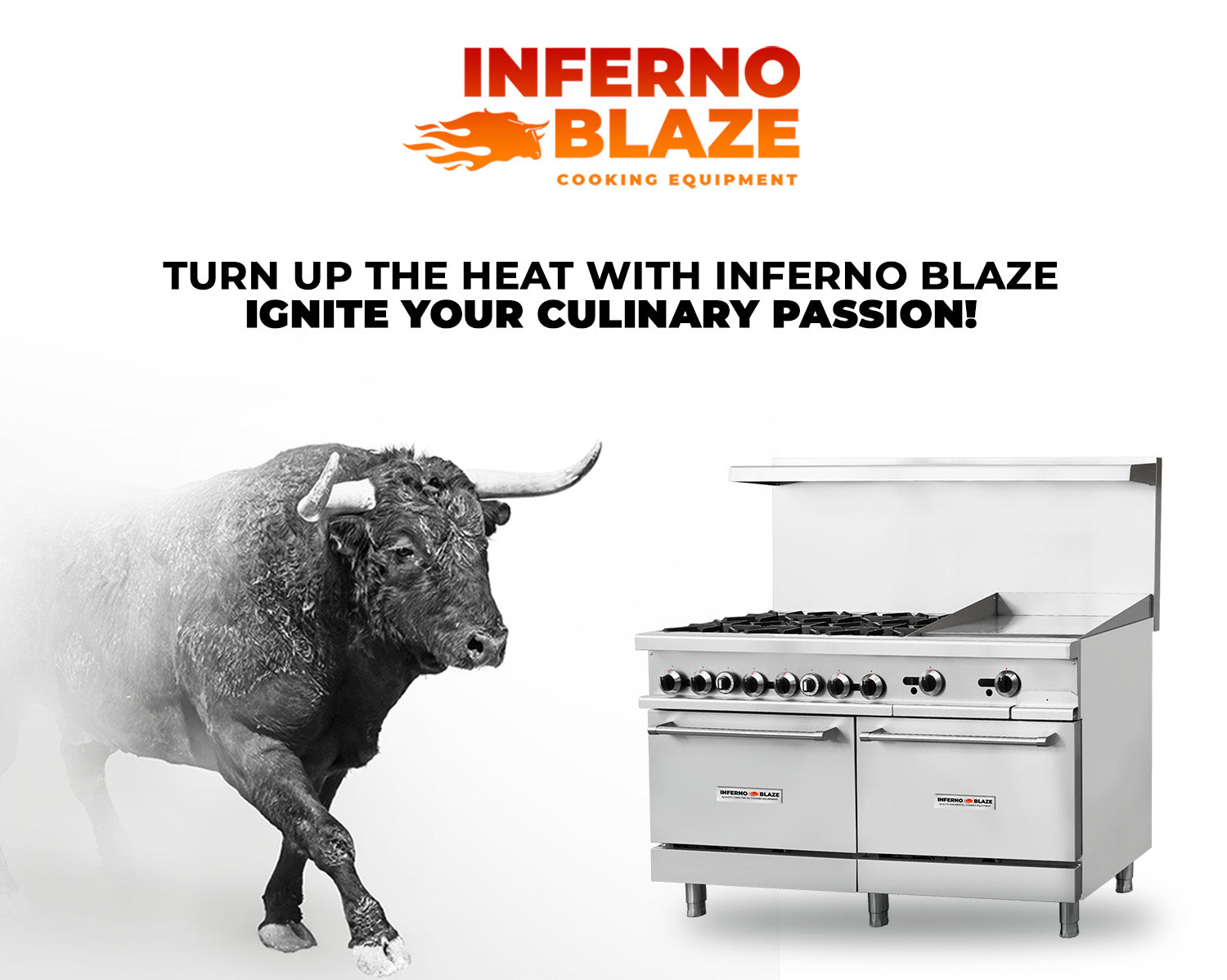
This is where the magic happens. Your cooking equipment is the heart of your kitchen, directly responsible for the quality and consistency of your dishes. The specific pieces you'll need depend entirely on your menu. This could include powerful ranges, versatile griddles, high-capacity fryers, and specialized ovens like convection or conveyor models. Each appliance plays a critical role in bringing your recipes to life. Choosing durable, high-performance cooking equipment allows your culinary team to execute dishes effectively and handle the pressure of a busy service without missing a beat.
Food Preparation Equipment
Great dishes start with great prep work. The right food preparation equipment can dramatically reduce labor time and improve the consistency of your output. Think about all the slicing, dicing, mixing, and blending that happens before anything hits the heat. Commercial mixers, food processors, slicers, and grinders are the unsung heroes that streamline these repetitive tasks. By automating some of the prep work, you free up your staff to focus on more complex culinary techniques. Investing in quality restaurant equipment for prep is a direct investment in your kitchen's overall speed and efficiency.
Dishwashing and Sanitation Equipment
Cleanliness is non-negotiable in the food service industry. A dedicated and well-equipped sanitation station is essential for meeting health codes and ensuring a safe environment for both your staff and customers. This area should include, at a minimum, a three-compartment sink for washing, rinsing, and sanitizing, along with separate hand-washing sinks. A commercial dishwasher is also a must-have for handling high volumes of dishes, glassware, and utensils quickly and effectively. Proper sanitation equipment isn't just a requirement; it's a cornerstone of a professionally run kitchen that takes health and safety seriously.
How to Choose the Right Equipment Brands
Choosing the right brand for your kitchen equipment is just as important as choosing the right type of appliance. A reliable brand can mean the difference between a smooth-running kitchen and one plagued by constant repairs and downtime. This isn't just about a logo on a stainless-steel door; it's about finding a partner in quality that you can count on day in and day out. The best brands offer a combination of performance, durability, and support that protects your investment and keeps your operations efficient. Think of it as hiring the most dependable employee for your kitchen—one that shows up and works hard every single day.
Meet Frigos: Our Signature Refrigeration Line
When it comes to refrigeration, we stand behind our signature brand, Frigos. We developed this line because we saw a need for high-quality, energy-efficient units that could withstand the intense demands of a professional kitchen. Frigos is known for its durable stainless-steel construction and precise temperature control, which are essential for food safety and consistency. Whether you’re a startup looking for dependable performance without a premium price tag or a high-volume restaurant needing maximum power, there’s a Frigos series for you. The Frigos Value Series offers a practical and affordable starting point, while our Premium and Platinum series provide upgraded components for the most demanding environments.
What to Look for in Other Top-Tier Brands
Beyond our own brand, there are several key things to look for when evaluating other top-tier names in restaurant equipment. A strong reputation is your first clue. Trusted manufacturers build products designed for longevity, which is a must in a busy kitchen where equipment runs for hours on end. Another major factor is energy efficiency. An appliance with a lower upfront cost might seem appealing, but if it consumes a lot of power, it will cost you more in utility bills over its lifetime. Always look for brands that prioritize smart, energy-saving designs—it’s an investment that pays for itself and supports your bottom line.
Features That Separate Good Brands from Great Ones
So what makes a great brand truly stand out? First, check the warranty. A comprehensive warranty is a manufacturer’s vote of confidence in their own product and gives you peace of mind that you’re covered if something goes wrong. Second, consider the long-term value over the initial price. Investing in higher-quality refrigeration equipment might cost more upfront, but it often leads to better performance, greater reliability, and fewer maintenance headaches down the road. Great brands find that sweet spot between price and performance, ensuring you get the most value from your investment over many years of service.
Your Equipment Evaluation Checklist
Once you have a list of potential equipment, it’s time to dig into the details. Think of this as your pre-purchase inspection. Going through this checklist will help you make a confident, informed decision that pays off for years to come. It’s about more than just finding the lowest price; it’s about finding the best value for your kitchen’s specific needs. A little extra diligence here saves you from major headaches later. Let's walk through the key factors to consider before you add anything to your cart.
Check for Certifications and Performance Standards
Before you fall in love with a piece of equipment, check its credentials. Look for certifications like NSF (National Sanitation Foundation), which ensures the equipment is easy to clean and safe for food contact, and UL (Underwriters Laboratories) for electrical safety. These aren't just nice-to-have logos; they're often required by local health departments. Buying uncertified equipment can lead to failed inspections and costly replacements. Make sure any restaurant equipment you consider meets the necessary standards for your area to keep your kitchen compliant and safe.
Prioritize Energy Efficiency
Your equipment's price tag is just the beginning of its total cost. Energy consumption can have a huge impact on your monthly utility bills. Look for the ENERGY STAR label, which indicates that a product meets strict energy efficiency guidelines set by the U.S. Environmental Protection Agency. Investing in energy-efficient refrigeration equipment might cost a bit more upfront, but the long-term savings on your electricity bill can significantly improve your restaurant's profitability. It’s a smart move for both your budget and the environment.
Measure Your Space and Plan Your Layout
This might sound obvious, but it’s a step that’s surprisingly easy to overlook. Break out the tape measure and map out your kitchen layout. Consider your workflow: where will prep happen? How will staff move through the space during a busy service? Make sure the equipment you choose not only fits physically but also makes sense for your operational flow. A perfectly sized pizza prep table that streamlines your process is a far better investment than a larger one that creates a bottleneck in your kitchen.
Look for Durable, High-Quality Construction
In a commercial kitchen, equipment takes a beating. That’s why construction quality is so important. Look for durable materials like commercial-grade stainless steel, which resists rust, dents, and corrosion. Pay attention to the reputation of the manufacturer. Brands known for quality, like our Frigos Premium Series, are built to withstand the demands of a busy restaurant. Investing in well-built equipment from a reputable brand means fewer repairs and a longer lifespan for your gear.
Understand the Warranty and Service Support
A good warranty is your safety net. Before you buy, read the fine print. What does the warranty cover—parts, labor, or both? How long does it last? Also, find out what the service process looks like. Is there a network of certified technicians in your area who can handle repairs quickly? A down refrigerator can bring your entire operation to a halt, so knowing you have reliable support in place provides crucial peace of mind. Don’t let the warranty be an afterthought; it’s a key part of your investment.
Plan Your Budget and Explore Financing
Finally, let’s talk money. It’s essential to create a realistic budget, but remember that the cheapest option isn't always the best. Balance the upfront cost with the long-term value, including energy efficiency and durability. If your budget is tight, look for practical and affordable lines like the Frigos Value Series, which offers reliable performance without the premium price tag. Many suppliers also offer financing options that can make high-quality equipment more accessible, allowing you to get the gear you need now and pay for it over time.
Common (and Costly) Equipment Buying Mistakes to Avoid
Outfitting your kitchen is one of the biggest investments you’ll make, and it’s easy to get overwhelmed by the options. But a little foresight can save you from some major headaches and financial regrets down the road. Rushing the process or overlooking key details can lead to equipment that breaks down, doesn’t fit, or just isn’t right for your menu. Let’s walk through the most common missteps so you can equip your kitchen with confidence.
Skipping the Planning Phase
It’s tempting to jump straight into shopping, but buying equipment without a solid plan is like cooking without a recipe. You might end up with a beautiful, expensive range that doesn’t fit your workflow or a freezer that’s too small for your inventory needs. Before you spend a dime, map out your kitchen layout and menu. Consider how your team will move through the space during a busy service. A well-thought-out plan ensures every piece of restaurant equipment you buy serves a specific purpose and contributes to a smooth, efficient operation. Waiting until a piece of equipment fails to start shopping often leads to rushed, poor decisions.
Forgetting About Long-Term Costs
The initial price tag is only part of the story. A cheaper unit might seem like a great deal, but it could cost you more in the long run through high utility bills. Energy costs are a significant operational expense, so always look for energy-efficient models, like those with an ENERGY STAR rating. This is especially critical for refrigeration equipment, which runs 24/7. Beyond energy, factor in the potential costs of maintenance, replacement parts, and any special cleaning supplies. A slightly more expensive but highly efficient and reliable machine is often the more economical choice over its lifespan.
Buying the Wrong Size or Type
This mistake happens in two ways: buying equipment that’s physically too big for your space or choosing a capacity that doesn’t match your output. Before you buy, measure your doorways, hallways, and the final installation spot—twice. You don’t want your brand-new oven stuck in the hall. Equally important is matching the equipment’s capacity to your needs. An oversized fryer wastes energy and oil, while an undersized prep table creates bottlenecks during service. Think realistically about your customer volume and menu to select cooking equipment that works for you, not against you.
Underestimating Maintenance Needs
Every piece of equipment in your kitchen requires regular care to perform its best and last for years. Ignoring this can lead to unexpected breakdowns, costly emergency repairs, and even voided warranties. When you’re evaluating a potential purchase, look closely at the manufacturer’s warranty and service support. What’s covered and for how long? Are certified technicians readily available in your area? A strong warranty is a sign that the manufacturer stands behind its product. Also, take a moment to understand the daily and weekly maintenance requirements to ensure your team can realistically keep up with them.
Misjudging Used Equipment
Buying used equipment can be a great way to save money, but it comes with risks. A "great deal" can quickly become a liability if you don't do your homework. If you’re considering a used piece, inspect it thoroughly in person whenever possible. Ask about its age, service history, and why it’s being sold. Check for essential certifications (like NSF for sanitation) to ensure it meets health codes. Some used items may even have a transferable warranty, so always ask. While the savings can be tempting, weigh them against the peace of mind and reliability that comes with new, fully-warrantied Frigos Value Series equipment.
How to Find the Best Deals on Kitchen Equipment
Finding a great deal on kitchen equipment isn't just about snagging the lowest price—it's about securing the best long-term value for your business. A cheap freezer that breaks down during a dinner rush is no bargain. The smartest purchases balance upfront cost with performance, energy efficiency, and reliability. With a strategic approach, you can equip your kitchen with high-quality gear that supports your operations for years to come without draining your budget. Here’s how to find those truly great deals.
Deciding Between New and Used
The temptation to buy used equipment is strong, especially when you're trying to manage startup costs. While a lower initial price is appealing, it’s important to be cautious. A common mistake is buying a used piece that doesn't quite fit your workflow or fails to meet health codes, costing you more in the long run.
New commercial kitchen equipment, on the other hand, comes with the latest technology, making it more energy-efficient and reliable. Those energy savings add up month after month, and a manufacturer's warranty provides priceless peace of mind. While the initial investment is higher, new equipment often delivers better performance and a lower total cost of ownership over its lifespan.
Where to Shop: Authorized Dealers vs. Direct
When you're ready to buy, you’ll find equipment sold through various channels. Working with an authorized dealer is one of the smartest moves you can make. Dealers build their reputation on the quality of the products they carry, so they often stock a curated selection of reliable restaurant equipment from trusted brands.
An authorized dealer provides more than just a product; they offer expertise. They can guide you to the right models for your specific needs, explain complex features, and help you plan your kitchen layout. Plus, they are your first point of contact for warranty claims and service, creating a partnership that extends well beyond the initial sale. This level of support is something you rarely get from online marketplaces or private sellers.
Find Seasonal Sales and Smart Financing
Timing your purchase can lead to significant savings. Keep an eye out for seasonal sales events, like end-of-year clearances or holiday promotions, when suppliers are looking to move inventory. These are excellent opportunities to acquire premium equipment at a reduced price.
Don’t let a tight budget force you into buying subpar equipment. Look for financing options that can help you manage your cash flow effectively. Financing allows you to get the durable, efficient equipment you need now and pay for it over time. This approach can make reliable lines like the Frigos Value Series accessible, ensuring you don’t have to compromise on quality even when you're just starting out or expanding.
Tips for Comparing Prices and Negotiating
When comparing your options, look beyond the sticker price. A cheaper unit might consume more energy, leading to higher utility bills that erase any initial savings. Always check the energy efficiency rating and factor long-term operational costs into your decision. Bundling multiple pieces from one supplier can also give you leverage for a better overall price.
Don’t be afraid to ask for a better deal. Most suppliers have some flexibility, and a polite request for their best price can often lead to a discount. Smart negotiation is a key part of running a successful business. Building a good relationship with your supplier can also pay off with better deals and priority service in the future.
Related Articles
- Choosing the Right Commercial Kitchen Equipment: A Buyer's Guide
- How to Get the Best Price Restaurant & Kitchen Supplies
- Commercial Range Buying Guide: Tips for Smart Purchases
- The Expert Guide to Commercial Bottle Coolers
- Why Kitchen Pro Restaurant Equipment Is the Smarter Choice for Restaurant Owners
Frequently Asked Questions
What's the biggest difference between commercial and home kitchen appliances? The main difference comes down to durability and demand. Your home oven might be used for an hour a day, but a commercial range is built to run for 12 hours straight without a problem. Commercial equipment is constructed with heavy-duty materials to withstand constant use and is designed to meet strict health and safety codes required for serving the public.
Is it always better to buy new equipment instead of used? While used equipment can seem like a bargain, it often comes with risks like an unknown history, no warranty, and potential for costly repairs. New equipment provides reliability and the peace of mind that comes with a manufacturer's warranty. If budget is a major concern, consider an affordable and dependable line like the Frigos Value Series, which gives you the benefits of new gear without the premium price tag.
How can I figure out the right size equipment for my kitchen? Sizing your equipment is a two-part process. First, you need to physically measure your space—including doorways—to ensure the unit will fit. Second, you must consider your menu and projected customer volume. A small café has very different refrigeration and cooking needs than a high-volume pizzeria. Choosing a size that matches your output prevents energy waste and keeps your kitchen from becoming cramped and inefficient.
Besides the price, what's the most important factor to consider when buying? Look at the long-term value. An appliance's total cost goes far beyond its initial price tag. Consider its energy efficiency, as that will directly impact your monthly utility bills for years to come. Also, pay close attention to the warranty and the availability of service support. A strong warranty is a sign of a quality product and can save you from major financial headaches if a repair is needed.
Why do certifications like NSF and ENERGY STAR matter so much? These certifications are your assurance of quality and compliance. The NSF mark means the equipment is designed for safe food handling and is easy to clean, which is something your health inspector will be looking for. The ENERGY STAR label indicates that the appliance meets strict energy-saving standards, which translates directly into lower electricity bills and a healthier bottom line for your business.