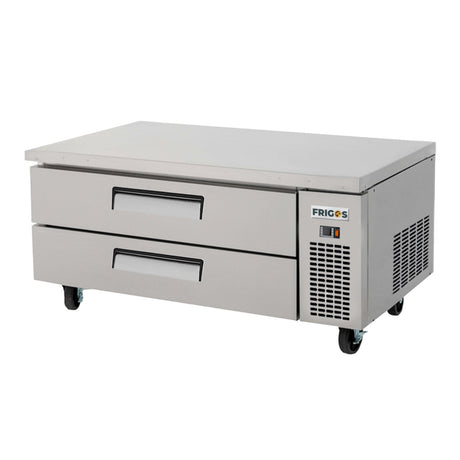




There are few things more stressful for a restaurant owner than a failing refrigerator or a sky-high energy bill. Your refrigeration is supposed to be a dependable workhorse, but an old or inefficient unit can quickly become a source of constant worry, leading to costly emergency repairs and lost inventory. If you’re ready to invest in equipment you can truly count on, you’ve come to the right place. This guide will walk you through the essential factors to consider when buying new commercial refrigeration equipment, from understanding energy efficiency to choosing the right size, so you can make a smart, confident decision.
Key Takeaways
- Choose for Function, Not Just Space: Your refrigerator should actively support your kitchen's daily operations. Consider whether you need quick access with a reach-in, customer appeal with a merchandiser, or a specialized prep table to make your signature dishes faster.
- Think Total Cost, Not Just Purchase Price: The cheapest unit upfront can become the most expensive over time due to high energy bills and frequent repairs. Prioritize energy-efficient models and durable construction to secure a better return on your investment.
- Make Maintenance a Non-Negotiable Routine: Simple, consistent care is the key to a long-lasting and efficient refrigerator. Regularly cleaning coils and monitoring temperatures prevents costly emergency breakdowns, protects your inventory, and keeps your energy bills in check.
What Are the Main Types of Commercial Refrigeration?
Choosing the right refrigeration for your business is about more than just keeping things cold. The right unit can streamline your workflow, protect your inventory, and even help you sell more products. Commercial refrigeration isn't a one-size-fits-all solution; different models are designed to meet the specific demands of a professional kitchen, from bulk storage to customer-facing displays. Understanding the main types of refrigeration equipment is the first step in finding the perfect fit for your space, your menu, and your operational needs. Let's walk through the most common options you'll find in a commercial setting.
Reach-In Refrigerators and Freezers
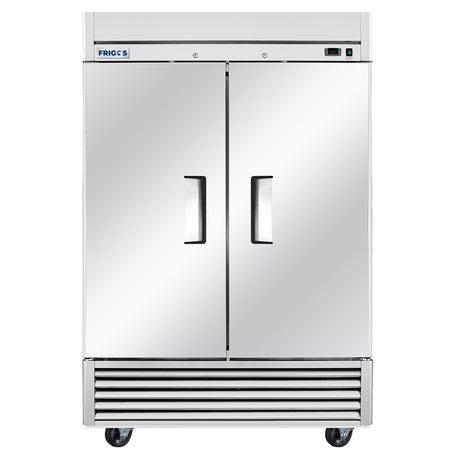
Think of reach-in units as the workhorses of the professional kitchen. These are the standard upright refrigerators and freezers you see in most restaurants, designed for general food storage. Their main advantage is providing quick and easy access to ingredients during a busy service, which is why they are a staple for almost any food business. Whether you need a single-door model for a small café or a three-door unit for a high-volume kitchen, reach-in refrigerators and freezers are essential for keeping everyday items perfectly chilled and organized. They are built for durability and consistent performance, ensuring your ingredients stay fresh and safe.
Walk-In Coolers and Freezers
When you need to store ingredients in bulk, a walk-in cooler or freezer is the solution. These are essentially refrigerated rooms that provide ample space for large quantities of food and beverages, making them crucial for restaurants, hotels, and catering companies. Walk-in units allow you to organize your inventory efficiently, so you can easily see what you have on hand and reduce the risk of spoilage. By consolidating your bulk storage, you can take advantage of wholesale pricing on ingredients and keep your kitchen line clear of clutter, ensuring your team has everything it needs for a smooth service.
Display Cases and Merchandising Units
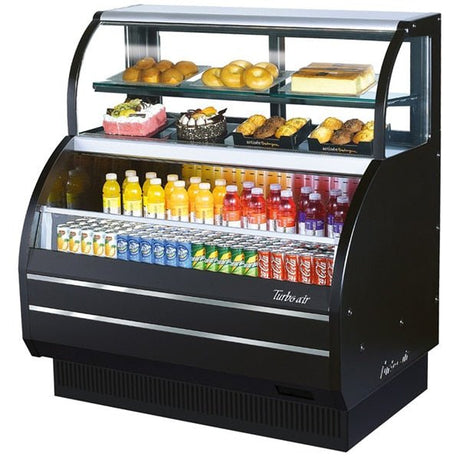
If you want to showcase your products to customers, a merchandising refrigerator is a must-have. These units, which typically feature glass doors, are designed to both cool and display food and drinks attractively. You’ll find them in cafes, delis, and convenience stores, where they are used to present everything from bottled beverages and sandwiches to cakes and pastries. The goal of these food display and merchandising units is to enhance product visibility and encourage impulse purchases. By making your offerings look appealing and easy to grab, you can effectively turn your refrigerated storage into a powerful sales tool.
Undercounter Refrigeration
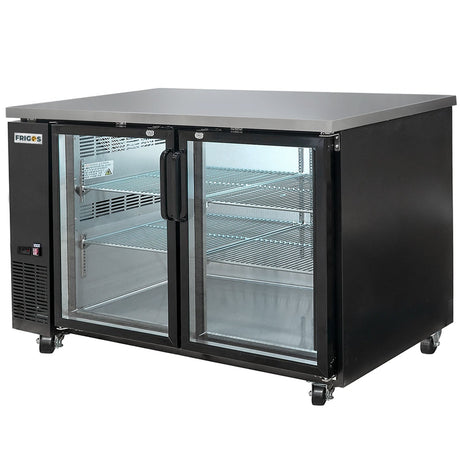
For kitchens where space is at a premium, undercounter refrigerators and freezers are a game-changer. These compact units are designed to fit neatly beneath countertops, worktables, or bars, giving you cold storage right where you need it without taking up valuable floor space. They are perfect for keeping frequently used ingredients close at hand, helping you maintain an efficient and organized workspace. Whether you need to store garnishes at a bar, condiments on the prep line, or drinks at a service station, undercounter freezers and fridges provide convenient, accessible cooling that supports a faster workflow.
Specialty Equipment
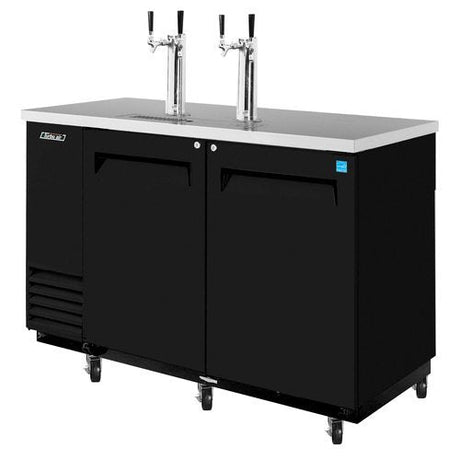
Beyond the standard types, there is a wide world of specialty refrigeration designed for very specific tasks. This category includes equipment like pizza prep tables, which combine refrigerated compartments for toppings with a dedicated workspace for assembling pizzas. Similarly, salad and sandwich prep tables offer chilled wells for ingredients alongside a cutting board. These hybrid units are designed to maximize efficiency for specific menu items. Other specialty equipment can include everything from wine coolers and floral cases to heavy-duty units built for extreme temperature requirements, ensuring there’s a cooling solution for nearly any commercial need.
Who Makes the Best Commercial Refrigerators?
Picking the "best" commercial refrigerator brand often comes down to what’s best for your specific kitchen. Your daily volume, menu, and budget all play a huge role in this decision. Some brands excel at producing durable workhorses for high-traffic restaurants, while others offer specialized units perfect for cafes or bakeries. The key is to find a manufacturer that aligns with your operational needs and delivers consistent, reliable performance. Let’s look at a few of the top names in the industry to help you get started.
Frigos Refrigeration Equipment
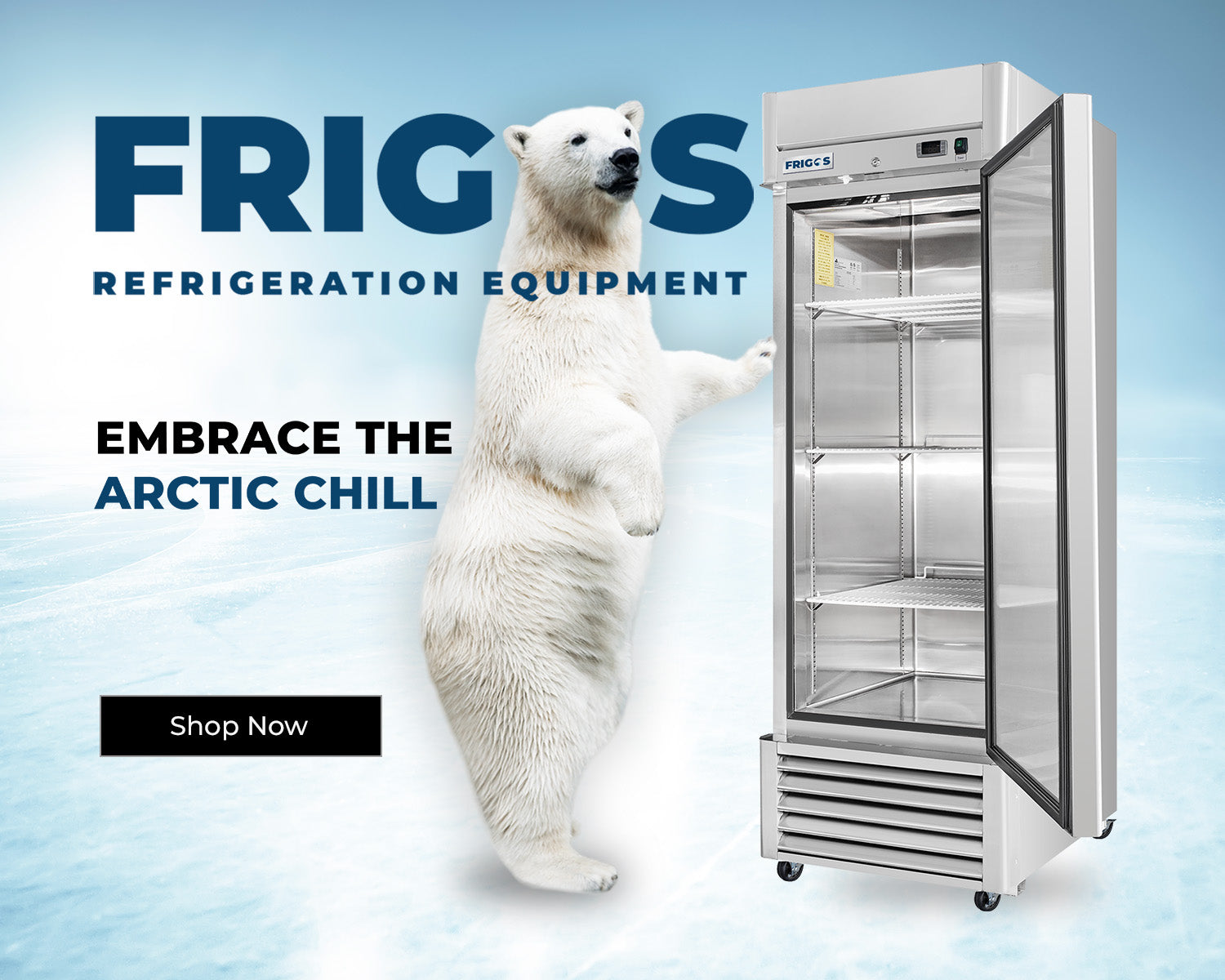
Frigos has built a strong reputation for offering a versatile and reliable lineup of refrigeration equipment. What makes them stand out is their tiered approach, ensuring there’s a solid option for nearly any budget or kitchen demand. For new or smaller businesses, the Frigos Value Series provides dependable cooling without a hefty price tag. As you move up, their Premium and Platinum series are engineered for the most demanding environments, featuring upgraded components, superior energy efficiency, and precise temperature control. This flexibility allows you to invest in quality that matches your business’s stage of growth, from a startup to an established, high-volume operation.
Other Leading Brands in the Market
Beyond Frigos, you’ll frequently see brands like True Refrigeration and Hoshizaki in professional kitchens, and for good reason. True is often praised as an industry workhorse, known for its powerful and long-lasting units that can handle the rigors of a busy service. They are a go-to for many chefs who need equipment they can count on day in and day out. Hoshizaki is another top contender, particularly well-regarded for its specialty units and glass-door merchandisers that combine excellent performance with a clean, modern aesthetic. Both brands have a proven track record, making them solid choices to consider alongside Frigos when you’re comparing features and performance.
How to Choose the Right Commercial Refrigerator
Selecting the right commercial refrigerator is one of the most important decisions you'll make for your kitchen. It’s not just about keeping food cold; it’s about food safety, workflow efficiency, and managing your energy costs. A great refrigerator becomes a reliable workhorse, while the wrong one can lead to spoiled inventory and constant headaches. To find the perfect fit, you need to balance your kitchen’s physical space, your menu's specific needs, your energy consumption goals, and your overall budget. Let’s walk through the key factors to consider so you can invest in a unit that serves your business well for years to come.
Assess Your Space and Capacity Needs
Before you even start browsing, grab a tape measure. Measure the height, width, and depth of the space where the unit will live, and don't forget to account for clearance. A refrigerator needs breathing room—typically a few inches on all sides—for proper ventilation. Choosing the wrong size is a common mistake; an undersized unit will constantly struggle to maintain the desired temperature, leading to increased energy costs and potential spoilage of products. Also, think about your kitchen’s flow. Where will the unit be placed for easy access during a busy service? Once you know your external dimensions, consider the internal capacity you need to support your inventory without overcrowding the shelves.
Consider Energy Efficiency Ratings
A commercial refrigerator runs 24/7, making it one of the biggest energy consumers in your kitchen. In fact, refrigeration can account for up to 35% of a restaurant's total energy use. Overlooking energy efficiency is a costly mistake. While a high-efficiency model might have a higher price tag, it can save you a significant amount on your utility bills over the unit's lifespan. Look for ENERGY STAR certified models, which are designed to perform optimally while using less power. Investing in energy-efficient models is a smart financial decision that pays you back every month.
Evaluate Your Temperature Requirements
Maintaining the quality, freshness, and safety of your food products depends on precise temperature control. A commercial refrigerator’s temperature capabilities are paramount. Different ingredients require different storage temperatures, so it’s essential to choose a unit that meets your menu's specific needs. Fresh fish, dairy, produce, and frozen goods all have unique requirements. If your menu relies heavily on specific items, you might need specialized units like a pizza prep table or a low-temperature freezer. Always check that the refrigerator you’re considering can consistently hold the exact temperatures your inventory demands to ensure you’re serving the best and safest food possible.
Factor in Your Budget and ROI
While it’s tempting to choose the cheapest option, your budget should account for more than just the initial purchase price. Think about the total cost of ownership, which includes energy bills, potential maintenance, and the cost of lost product if the unit fails. The best refrigerator for your business is one that balances upfront cost with long-term operational expenses and reliability. A higher initial investment in quality equipment often leads to significant savings over time through lower energy consumption and fewer repair bills. This is your return on investment (ROI)—a durable, efficient unit protects your bottom line.
How Much Does Commercial Refrigeration Cost?
When you start shopping for commercial refrigeration, you'll quickly see that prices can vary—a lot. The final cost depends on size, brand, and special features. A small undercounter unit for a coffee shop will have a very different price tag than a large walk-in cooler for a busy restaurant. While it’s tempting to focus only on the initial purchase price, it’s important to think about the total cost of ownership. This includes the upfront cost plus long-term expenses like energy bills and maintenance.
Thinking about your budget in tiers can help simplify the process. You can find reliable equipment at every price point, whether you’re just starting out or upgrading a high-volume kitchen. The key is to match the unit’s capabilities and long-term operating costs with your business’s specific needs. Let’s break down what you can expect to find in each price range.
Entry-Level Equipment Pricing
For new businesses or those with a tighter budget, entry-level commercial refrigerators are a practical starting point. Prices typically begin around $700 for basic models and can go up to about $6,500 for larger or more specialized units. These refrigerators are designed to handle the core job of keeping ingredients cold and safe without extra frills. They are a great fit for small cafes, food trucks, or kitchens with lower-volume needs. Our Frigos Value Series is designed for this exact purpose, offering dependable performance and solid construction at an accessible price point, so you can get started without a massive upfront investment.
Mid-Range Commercial Units
Mid-range units often represent the sweet spot for many established restaurants and foodservice businesses. This category offers a great balance of advanced features, improved energy efficiency, and long-term durability without the premium price tag. You can expect to find units with more robust construction, better insulation, and components designed to withstand the demands of a busy kitchen. These models are a smart investment for businesses looking to upgrade from entry-level equipment to something more powerful and efficient. Exploring a wide range of refrigeration equipment in this tier will give you access to features that can streamline your kitchen’s workflow and reduce energy consumption.
Premium and High-End Options
For high-volume kitchens where performance is non-negotiable, premium refrigeration is the way to go. These top-tier units are built with the best materials and technology, offering superior temperature precision, maximum energy efficiency, and advanced features like digital controls and self-closing doors. They are engineered for the most demanding environments, ensuring your ingredients stay perfectly preserved during the busiest shifts. Brands like Frigos Refrigeration Equipment offer premium and platinum series units designed for chefs and business owners who need ultimate reliability and cutting-edge innovation. While the initial cost is higher, the long-term value in performance and energy savings is often well worth it.
Additional Costs to Consider
The sticker price is just the beginning. Your refrigerator will be running 24/7, and its energy consumption will be a significant part of your utility bills—often accounting for a large portion of a kitchen's energy use. When budgeting, be sure to factor in these long-term operating costs. An energy-efficient model might cost more upfront but can save you hundreds or even thousands of dollars over its lifespan. Look for units with ENERGY STAR certification, as they are verified to be more efficient. Also, consider potential maintenance and repair costs down the line. Investing in a durable, well-made unit can reduce the frequency of service calls and keep your kitchen running smoothly.
Key Energy-Efficient Features to Look For
Your refrigeration units run 24/7, making them one of the biggest energy consumers in your kitchen. Choosing an energy-efficient model isn't just an eco-friendly move; it's a smart financial decision that directly impacts your monthly utility bills and overall profitability. While the initial investment might be slightly higher, the long-term savings can be substantial. When you're comparing models, don't just look at the price tag. Pay close attention to the features that are specifically designed to reduce energy consumption. These components work together to keep your ingredients fresh while keeping your operating costs down. Knowing what to look for will help you select a unit that’s both powerful and economical.
High-Efficiency Compressors and Variable Speed Technology
Think of the compressor as the heart of your refrigeration system—it’s what does the heavy lifting to keep everything cool. Traditional compressors operate on a simple on-off cycle, running at full power until the target temperature is reached and then shutting down completely. High-efficiency compressors with variable speed technology are much smarter. They adjust their output based on the actual cooling demand, running at a lower, steadier speed to maintain the temperature. This prevents the constant energy spikes of a standard compressor, leading to significant energy savings. Models in the Frigos Platinum Series are engineered with this kind of advanced technology for peak performance and efficiency.
LED Lighting and Smart Controls
It’s easy to overlook lighting, but it plays a big role in a refrigerator's energy use, especially in display units. Older fluorescent bulbs generate a surprising amount of heat, forcing the compressor to work harder to compensate. Modern commercial refrigeration equipment uses LED lighting, which is not only brighter but also uses up to 75% less energy and emits very little heat. Paired with smart controls like digital thermostats and auto-defrost cycles, you gain precise command over the unit’s environment. This precision prevents unnecessary energy waste and ensures your food is always stored at the perfect temperature, reducing both spoilage and your electricity bill.
Advanced Insulation and Construction Materials
A refrigerator is only as good as its ability to keep the cold air in. That’s where insulation and build quality come in. Look for units constructed with high-density, foamed-in-place polyurethane insulation. This material creates a tight seal that minimizes thermal transfer, meaning the cold air stays inside and the warm kitchen air stays out. The result? The compressor runs less often, saving energy and reducing wear and tear on the components. Durable materials like stainless steel not only stand up to the demands of a busy kitchen but also contribute to better insulation and a longer lifespan for your refrigeration equipment.
Common Mistakes to Avoid When Buying
Investing in new commercial refrigeration is a big step, and making a thoughtful choice now will save you from major headaches and unexpected costs later. The right unit becomes a reliable workhorse for your kitchen, while the wrong one can turn into a constant source of stress. To help you make a smart investment, let’s walk through some of the most common missteps business owners make when purchasing new restaurant equipment. Thinking through these points ahead of time will help you select a unit that truly fits your needs, operates efficiently, and supports your business for years to come.
Sizing Errors and Capacity Miscalculations
One of the most frequent mistakes is choosing the wrong size unit. A refrigerator that’s too small for your inventory will constantly run to keep up, driving up your energy bills and putting a strain on the compressor. This can lead to inconsistent temperatures and even food spoilage. On the other hand, a unit that’s too large wastes valuable kitchen space and costs more to purchase and operate than necessary. Before you start shopping, measure your available space carefully and create a realistic estimate of your daily storage needs. This simple step ensures you get a unit that works efficiently for your kitchen’s workflow.
Overlooking Installation and Maintenance Needs
Don’t forget to plan for the unit's arrival and its life in your kitchen. Before you buy, confirm you have the correct electrical hookups and enough clearance for ventilation—improper airflow can cause a unit to overheat and fail. Also, consider how easy the unit will be to clean and service. Coils need regular cleaning to function efficiently, and if they’re hard to access, this crucial task might get skipped. Factoring in professional installation and a routine maintenance schedule from the start will protect your investment and keep your refrigeration equipment running smoothly.
Ignoring Long-Term Operating Costs
The initial purchase price is only one part of the total cost of ownership. Your refrigerator will be running 24/7, making its energy consumption a significant ongoing expense. A cheaper model might seem like a good deal upfront, but if it’s not energy-efficient, it could cost you hundreds or even thousands more in utility bills over its lifespan. Look for ENERGY STAR certified models and features like LED lighting and high-efficiency compressors. A slightly higher initial investment in an energy-efficient unit often pays for itself through lower operating costs, delivering better value in the long run.
Choosing Based on Price Alone
It’s tempting to go for the cheapest option, but this approach often backfires. The lowest-priced units may be built with lower-quality components that are more likely to break down, leading to costly emergency repairs and lost inventory. Instead of focusing only on price, consider the overall value. A reliable, well-built unit will provide consistent performance and last longer, making it a more cost-effective choice over time. If budget is a primary concern, look for lines like the Frigos Value Series, which balances dependable quality with an affordable price point, ensuring you get a solid return on your investment.
How to Maintain Your Commercial Refrigerator
Once you’ve invested in the right commercial refrigerator, the next step is to protect that investment. Proper maintenance is about more than just keeping things clean; it’s the key to ensuring your unit runs efficiently, lasts for years, and keeps your ingredients safe. A well-cared-for refrigerator uses less energy, which saves you money on utility bills, and helps you avoid the stress and cost of unexpected breakdowns. By establishing a simple maintenance routine, you can keep your unit in peak condition and focus on what you do best: creating amazing food.
Regular Cleaning and Coil Maintenance
One of the most effective things you can do for your refrigerator is to regularly clean the condenser coils. These coils release heat from the unit, but they can easily get covered in dust and grease from a busy kitchen. When the coils are dirty, the compressor has to work much harder, leading to higher energy consumption and potential system failure. At least twice a year, unplug the unit and use a stiff brush and a vacuum to gently clean the coils. You should also regularly wipe down door gaskets to ensure a tight seal and clean the interior to maintain food safety standards.
Temperature Monitoring and Calibration
Maintaining the correct temperature is non-negotiable for food safety. Your staff should check the internal temperature of your refrigerators and freezers at the start of every shift. It’s also a good idea to place a separate, calibrated thermometer inside each unit to verify that the external display is accurate. If you notice temperature fluctuations, it could be a sign of a problem with the thermostat or gaskets. Catching these issues early prevents food spoilage and ensures you’re always serving safe products. Choosing reliable refrigeration equipment with precise digital controls can make this process much simpler.
Professional Inspection Schedules
While daily and monthly cleaning tasks are essential, some maintenance is best left to the professionals. Scheduling regular professional inspections—at least once or twice a year—is a smart move. A qualified technician can perform a comprehensive check-up that goes beyond basic cleaning. They will inspect electrical components, check refrigerant levels, test the compressor, and make sure all mechanical parts are functioning correctly. This preventative service can identify small issues before they turn into major, costly repairs that could shut down your kitchen. Think of it as an insurance policy for your refrigerator’s long-term health and performance.
Compliance with Environmental Regulations
As a business owner, it’s important to be aware of regulations concerning commercial refrigeration. Many refrigerants contain chemicals called hydrofluorocarbons (HFCs), which can be harmful to the environment if they leak. Because of this, there are federal and state rules governing their use and disposal. For example, some regions have specific HFC regulations that require businesses to use certain types of refrigerants or follow strict maintenance protocols to prevent leaks. Staying informed about the requirements in your area ensures your business remains compliant, avoids potential fines, and operates in an environmentally responsible way.
Frequently Asked Questions
What's the real difference between a commercial refrigerator and the one in my home kitchen? The biggest differences are power and durability. A commercial unit is built with a more powerful compressor to handle the constant door openings in a busy kitchen and to cool down warm food quickly and safely. It's also constructed from tougher materials like stainless steel to withstand the wear and tear of a professional environment. Essentially, it’s engineered for performance and to meet health code standards, while a residential fridge is designed for much lighter use.
My kitchen is super busy. How can I tell if I need a reach-in unit or a larger walk-in cooler? Think about your inventory flow. A reach-in refrigerator is perfect for storing ingredients you need to access quickly and frequently throughout the day. If you find yourself buying ingredients in bulk to get better pricing or if your reach-ins are constantly overcrowded, it’s time to consider a walk-in. A walk-in cooler is ideal for your bulk storage, keeping your main kitchen line organized and efficient.
Is it really worth paying more for an ENERGY STAR certified refrigerator? Yes, it almost always is. While the upfront cost might be higher, an energy-efficient model starts saving you money on your utility bill from day one. Since your refrigerator runs around the clock, it's one of your kitchen's biggest energy expenses. Those monthly savings add up quickly, and over a few years, the unit will likely pay for the initial price difference and then some. It's a smart investment in lowering your long-term operating costs.
What's the first thing I should do if my refrigerator isn't cooling correctly? Before you call for a repair, run through a few simple checks. First, make sure the unit is plugged in properly and that the circuit breaker hasn't been tripped. Next, check the door seals to ensure they are clean and creating a tight seal. Finally, take a look at the condenser coils. If they are covered in dust or grease, they can't release heat effectively, which is a very common cause of cooling problems. If these steps don't help, it's time to call a professional.
How often do I really need to clean the condenser coils? The general rule is at least twice a year, but for most active kitchens, checking them every three months is a much better practice. Kitchens with a lot of grease in the air may even need more frequent cleanings. A quick visual check will tell you if dust and grime are starting to build up. Making this a regular, quarterly task is one of the best things you can do to improve efficiency and prevent a future breakdown.