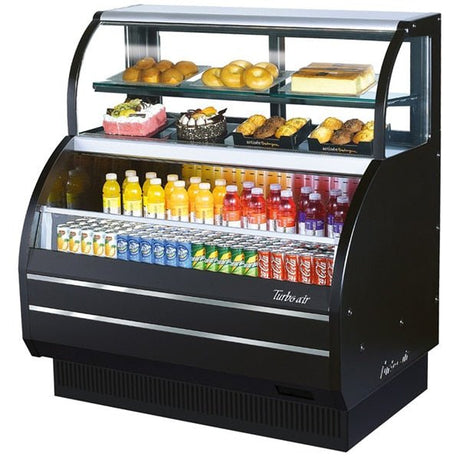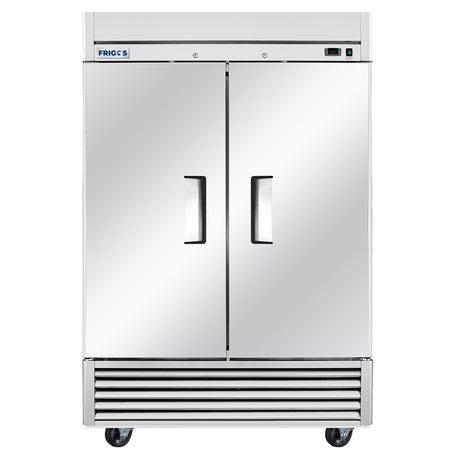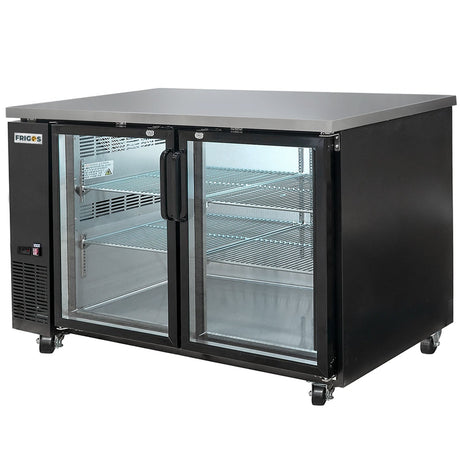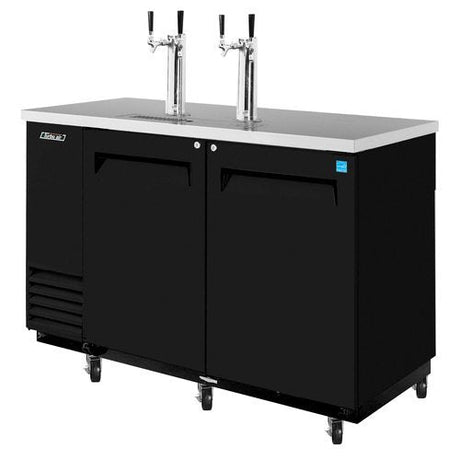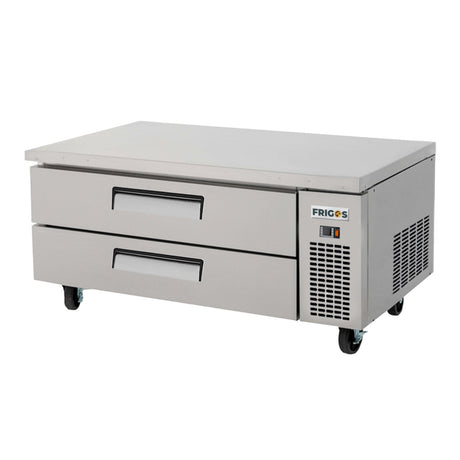



A commercial glass door freezer is one of the hardest-working pieces of equipment in any food service business. It’s more than just cold storage; it’s your silent salesperson, working around the clock to showcase your best frozen products. When customers can see perfectly organized pints of ice cream, convenient grab-and-go meals, or colorful frozen desserts, they are far more likely to make an impulse purchase. This guide is designed to help you choose a unit that not only keeps your inventory safe and perfectly frozen but also actively helps you sell more. We’ll cover everything from size and capacity to the top brands and energy-saving features that make a real difference to your bottom line.
Key Takeaways
- Match the Freezer to Your Business Goal: Decide if you need a front-of-house merchandiser to attract customers and drive impulse sales, or a back-of-house reach-in designed for efficient storage. This choice will guide you to the right size, style, and features for your specific operational needs.
- Calculate the Total Cost of Ownership: Look beyond the initial sticker price and consider long-term expenses. An ENERGY STAR-rated model will lower your monthly utility bills, while a comprehensive warranty protects you from unexpected repair costs, saving you money over the unit's lifespan.
- Prioritize Core Performance Features: The most important features are the ones that protect your inventory. Insist on essentials like precise digital temperature controls, an automatic defrost system, and bright LED lighting to ensure food safety, maintain product quality, and reduce staff labor.
What Is a Commercial Glass Door Freezer?
Think of a commercial glass door freezer as your silent salesperson. It’s a hardworking piece of equipment designed to do two jobs at once: keep your products perfectly frozen and display them in a way that encourages customers to buy. Unlike a solid-door freezer tucked away in the back of the kitchen, these units are meant to be seen. They are a key part of your food display and merchandising strategy, turning stored inventory into a tempting showcase.
These freezers are built for the demands of a commercial environment, with powerful cooling systems that maintain consistent, safe temperatures even when the door is opened frequently. The glass doors are typically double or triple-paned and insulated to prevent condensation and keep the cold air in, ensuring your products stay frozen and your energy bills stay down. Whether you’re selling frozen pizzas, ice cream pints, or pre-made meals, a glass door freezer puts your best items front and center, making it easy for customers to see what you have to offer and make a quick purchase. It’s an essential tool for convenience stores, supermarkets, cafes, and any business looking to drive impulse sales of frozen goods.
How They Increase Sales and Engagement
The magic of a glass door freezer lies in its visibility. When customers can clearly see delicious-looking ice cream, colorful frozen yogurts, or convenient grab-and-go meals, they’re far more likely to make a purchase they hadn’t planned on. This visual merchandising strategy removes the guesswork and creates an immediate desire. It’s not just for customers, either. Your staff can quickly see what’s running low without having to open the door, making inventory checks faster and more efficient. This simple feature helps keep your most popular items in stock and ready for sale. By showcasing your products attractively, you create an engaging shopping experience that can directly lead to higher sales.
Key Benefits for Your Business
Beyond driving impulse buys, a commercial glass door freezer offers several practical advantages. First, it keeps your products organized and easily accessible, which improves operational flow for both staff and customers. Second, modern refrigeration equipment is designed with energy efficiency in mind. Features like LED lighting and high-quality insulation mean you can display your products 24/7 without worrying about excessive energy costs. Finally, these units are built to last. With durable construction like stainless steel frames and resilient shelving, they can handle the daily wear and tear of a busy commercial setting, making them a reliable, long-term investment for your business.
Find the Right Type of Glass Door Freezer
Choosing the right glass door freezer isn’t just about finding a place to keep things cold. It’s about matching the equipment to your space, your inventory volume, and how you plan to use it. A small café has very different needs than a large supermarket, and the freezer you pick should reflect that. Think about your daily workflow: Do you need a unit in the back for kitchen staff to quickly grab ingredients, or do you want something front-and-center to entice customers with frozen treats?
The size of the freezer is a major factor. A unit that’s too small will leave you struggling for space, while one that’s too large can waste energy and take up valuable floor real estate. Beyond size, consider the core function. Some freezers are built purely for storage and efficiency, while others are designed as powerful sales tools. Understanding the different types available will help you find the perfect fit for your business goals and your budget. Let’s walk through the most common options to see which one makes the most sense for your operation.
Single-Door Models for Compact Spaces
If you’re working with a tight footprint, a single-door glass freezer is your best friend. These compact units are perfect for cafes, small markets, or any business where floor space is at a premium. They give you the visibility you need to display popular items like ice cream pints or frozen meals without overwhelming your layout. A single-door model provides efficient, accessible storage that keeps your frozen goods organized and at the perfect temperature. It’s an ideal solution for showcasing a curated selection of products right where customers can see them.
Double and Triple-Door Units for High Volume
For businesses that move a lot of frozen products, double and triple-door units are the way to go. Supermarkets, large convenience stores, and high-volume restaurants need the ample storage these freezers provide. With more doors, you can organize a wider variety of items, making it easy for customers or staff to find exactly what they’re looking for. Many of these larger merchandising glass door refrigerators and freezers also come with energy-efficient features like self-closing doors and LED lighting, which help manage operational costs while keeping a large inventory perfectly frozen.
Reach-Ins vs. Merchandisers
It’s important to know the difference between a reach-in freezer and a merchandising freezer, as they serve two distinct purposes. A reach-in freezer is the workhorse of the back-of-house, designed for staff to store and access ingredients quickly. Its focus is on capacity and durability. On the other hand, a merchandising freezer is a sales tool for the front-of-house. With its bright lighting and clear glass doors, it’s designed to showcase products and encourage impulse buys. If you need storage for your kitchen, you’ll want to explore reach-in freezers.
Specialty Freezers for Unique Products
Sometimes a standard freezer just doesn’t cut it. Specialty freezers offer unique features for specific needs. For example, some models are convertible, allowing you to switch them between freezer and refrigerator modes. This flexibility is fantastic for businesses with seasonal menus or those testing new product lines. If your inventory changes throughout the year, a convertible unit can adapt with you, saving you from having to buy separate pieces of equipment. This kind of versatility makes specialty refrigeration equipment a smart investment for dynamic and growing businesses.
A Look at the Top Freezer Brands
Once you know what features you need, it’s time to explore the brands that deliver them. The commercial freezer market has options for every type of business, from high-end restaurants that need unwavering performance to small cafes looking for a budget-friendly display. The right brand for you will depend on your priorities, whether that’s long-term durability, visual merchandising, or upfront cost. Think about what matters most for your daily operations. Do you need a unit that can handle constant opening and closing without losing its cool? Or is your main goal to present frozen treats and grab-and-go meals in the most appealing way possible?
Some brands have built their reputation on rock-solid reliability, making them a safe bet for busy kitchens that can't afford downtime. Others focus on aesthetics, understanding that a well-lit, attractive freezer can do half the selling for you. And of course, there are brands dedicated to providing solid, no-frills performance at a price point that works for new or growing businesses. Choosing a brand isn't just about the name on the door; it's about aligning the equipment's strengths with your business goals. Let's look at some of the top names in the industry and what makes each one stand out.
Frigos Refrigeration: Premium and Reliable
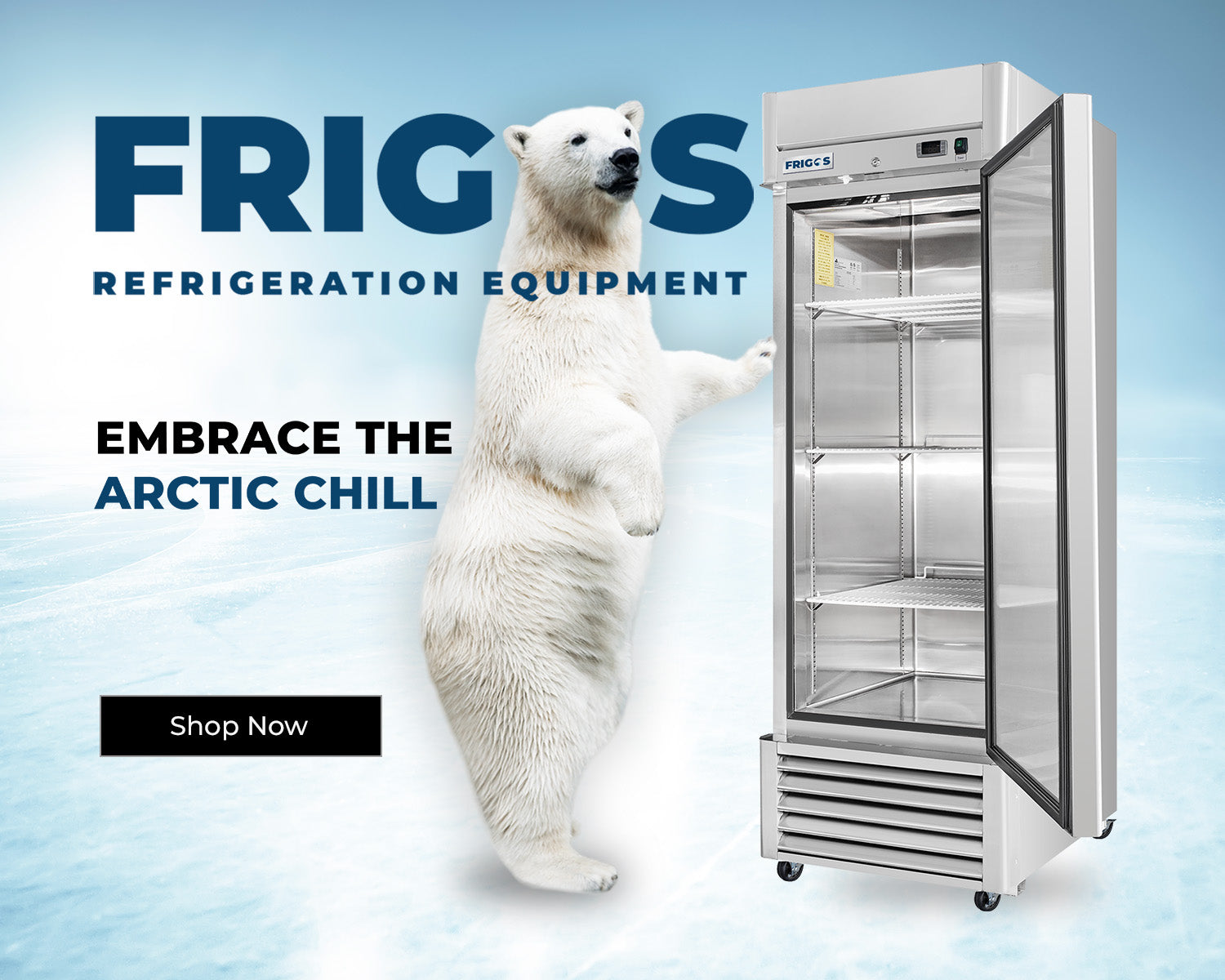
If you’re looking for a workhorse that combines durability with energy efficiency, Frigos is a fantastic choice. This brand is known for its high-quality refrigeration equipment built to withstand the demands of a busy commercial kitchen. With durable stainless-steel construction and precise temperature controls, Frigos units are designed for dependable, long-term performance. They offer several tiers to meet different needs and budgets, from the practical Frigos Value Series for startups to premium lines for high-volume operations. Choosing Frigos means investing in reliability and peace of mind for years to come.
Turbo Air: A Leader in Performance
Turbo Air stands out for its sheer variety. With a wide range of models available, this brand makes it easy to find a freezer that fits your exact specifications and merchandising goals. Their designs focus on helping you sell more by showing off your products effectively. Whether you need a slim, single-door unit for a tight corner or a large, multi-door freezer for a high-traffic area, Turbo Air likely has an option tailored to your needs. This makes them a go-to for businesses that want to maximize product visibility and customer appeal without compromising on performance or quality.
Maxx Cold: Designed for Display
When your primary goal is to catch the customer’s eye, Maxx Cold delivers. This brand excels at creating freezers with strong visual appeal, turning your frozen goods into an attractive display. Models like their triple-glass-door merchandiser are built for both durability and presentation, giving you ample space to showcase your offerings in the best possible light. The focus on design helps maximize customer engagement and can turn a simple freezer into a powerful sales tool. If you want your products to pop and encourage customers to take a closer look, Maxx Cold is a brand worth considering.
Migali & Chef AAA: Smart, Budget-Friendly Options
For new businesses or those keeping a close eye on the budget, Migali and Chef AAA offer practical and affordable solutions. Migali provides a variety of freezers that balance cost with functionality, giving you the essential features you need without a premium price tag. They are an excellent choice for getting reliable performance on a budget. Similarly, Chef AAA designs its merchandising freezers specifically to encourage impulse buys and drive sales. Both brands offer a smart way to equip your business without overspending, proving you don’t have to break the bank to get a quality freezer that works hard for you.
Don't Overlook These Performance and Efficiency Features
A glass door freezer’s main job is to look good and sell products, but its internal components are what really impact your daily operations and bottom line. The right technology keeps your products perfectly frozen, your energy bills low, and your staff focused on customers instead of maintenance. When you’re comparing models, these are the features that separate a good freezer from a great one. Investing in high-performance refrigeration equipment pays off through lower operating costs and greater reliability for years to come. Let’s break down the key features that deliver true value.
ENERGY STAR Ratings and Lower Bills
An ENERGY STAR label is more than just a sticker; it’s a guarantee of energy efficiency that directly translates to savings. According to ENERGY STAR, a certified commercial glass door freezer can save your business over $110 annually on utility bills. Over the freezer's lifetime, that adds up to nearly $1,000 in savings. These models use advanced components like high-efficiency compressors and better insulation to minimize power consumption without sacrificing performance. Choosing an ENERGY STAR-rated unit is one of the smartest financial decisions you can make when outfitting your kitchen or retail space, ensuring your equipment works for your budget, not against it.
LED Lighting and Modern Insulation
How your products are lit can make or break a sale. Modern freezers use bright, energy-efficient LED lighting to make items look their best without generating extra heat. Unlike old fluorescent bulbs, LEDs last longer and won’t raise the internal temperature, forcing your compressor to work overtime. Paired with high-density, eco-friendly insulation, this keeps the cold air locked in tight. Brands like Frigos build their units with these features in mind, ensuring the freezer maintains its temperature efficiently. The Frigos Value Series, for example, combines practical design with the modern tech you need to keep costs down.
Precise Temperature Controls
Consistent temperature is non-negotiable for food safety and quality. Look for freezers with digital temperature controls and displays, which allow you to set and monitor the exact temperature with precision. This is far more reliable than an analog dial. Advanced models offer programmable settings and alarms that alert you if the temperature moves outside the safe zone, protecting your valuable inventory from spoilage. This level of control not only safeguards your products but also contributes to overall efficiency, as the unit isn't constantly adjusting to wide temperature swings. It’s a simple feature that provides immense peace of mind.
Compressor Tech and Auto-Defrost
The compressor is the engine of your freezer, and modern technology has made them more powerful and efficient than ever. Top-tier freezers feature variable-speed compressors that adjust to cooling demands, using less energy during off-peak hours. Another must-have feature is an automatic defrost system. This function periodically warms the cooling coils to melt any ice buildup, preventing the freezer from working harder than it needs to. An auto-defrost cycle ensures consistent airflow and temperature, reduces wear and tear on the compressor, and saves your staff the tedious job of manually defrosting the unit.
How to Budget for Your New Freezer
Alright, let's talk about the numbers. Investing in a new commercial freezer is a big step, and creating a realistic budget is the best way to make a smart decision for your business. The sticker price is just one piece of the puzzle. You also need to think about what the freezer will cost to run over its lifetime, potential maintenance, and how you can find the best deal without sacrificing quality. Planning for these expenses from the start helps you choose a freezer that not only fits your immediate needs but also supports your business's financial health for years to come. We'll walk through the key financial points to consider so you can feel confident in your purchase.
Understanding the Price Range
Commercial glass door freezers typically run anywhere from $2,600 to over $5,800. What causes such a wide range? It comes down to size, brand reputation, and features. A compact single-door unit will naturally cost less than a large three-door model. Premium brands known for durability and advanced technology will also be at the higher end. While it can be tempting to go for the lowest price, remember that a slightly more expensive model with better insulation or a more efficient compressor can offer greater long-term value. Think of it as an investment in reliability and performance for your kitchen's Reach-In Freezers.
Finding Discounts and Financing
A great way to manage the upfront cost of a new freezer is to keep an eye out for sales and promotions. Many suppliers offer significant discounts, which can make a higher-end model suddenly fit within your budget. Don't be afraid to shop around. Beyond sales, look into financing options. Spreading the cost over several months or years can make the purchase much more manageable, allowing you to get the equipment you really need without a massive cash outlay. This approach can be especially helpful for startups or businesses looking to preserve capital, making quality lines like the Frigos Value Series even more accessible.
Factoring in Long-Term Costs
The initial purchase price is just the beginning of your freezer's total cost. Energy consumption is the biggest long-term expense to consider. Commercial refrigeration can make up a significant portion—sometimes 25% to 35%—of a restaurant's energy bill. An ENERGY STAR-certified freezer might cost more upfront, but its efficiency will lead to lower utility bills every month. Over the life of the unit, those savings can easily outweigh the initial price difference. When you browse for Refrigeration Equipment, always check the energy specs to understand the true cost of ownership.
What to Know About Maintenance and Warranties
To keep your freezer running smoothly and efficiently, you'll need to plan for regular maintenance. Simple tasks like cleaning the coils and checking door seals can prevent costly breakdowns and extend the unit's lifespan. It's wise to set aside a small amount in your budget for this upkeep. A solid warranty is also non-negotiable—it’s your safety net. Look for warranties that cover both parts and labor, and pay special attention to the compressor's coverage, as it's the heart of the machine. A good warranty protects your investment and gives you peace of mind, ensuring your Restaurant Equipment is covered.
Your Checklist for Choosing the Right Freezer
Choosing a new freezer feels like a huge decision, and it is! This piece of equipment is a cornerstone of your kitchen, protecting thousands of dollars in inventory. To make sure you invest in the right unit, it helps to walk through a few key considerations. Think of this as your pre-purchase checklist. Going through these steps will help you find a freezer that fits your space, meets safety standards, and makes financial sense for your business in the long run.
Measure Your Space and Capacity Needs
Before you fall in love with a specific model, grab a tape measure. One of the most common mistakes business owners make is buying a freezer that doesn’t physically fit in their kitchen. Measure the width, depth, and height of the spot you have in mind, and don’t forget to account for clearance. Your freezer will need a few inches of breathing room around the back and sides for proper ventilation. Also, check that the unit can fit through your doorways! Once you know your size constraints, think about capacity. How much product do you need to store? Consider your inventory turnover and whether you need extra space for peak seasons. A well-chosen reach-in freezer should meet your daily needs without being half-empty or overstuffed.
Prioritize Temperature and Safety Features
At its core, a commercial freezer has one critical job: to keep food frozen at a safe temperature. Inconsistent temperatures can ruin food quality, lead to waste, and create serious health risks. To keep your products safe and fresh, look for a freezer with precise temperature capabilities. Digital thermostats and external temperature displays make it easy to monitor conditions at a glance. Models from the Frigos Premium Series are engineered for this kind of reliability, offering durable construction and consistent performance. Features like self-closing doors and temperature alarms also provide an extra layer of security, ensuring your inventory is always protected.
Check Installation and Power Requirements
You’ve found a freezer that fits your space and meets your safety standards—great! Now for the practical part: installation. Before you buy, confirm the unit’s electrical requirements. Does it need a standard 115-volt outlet or a 220-volt connection? Make sure your kitchen’s electrical setup can handle the load without needing an expensive visit from an electrician. You should also consider the placement of the compressor. Bottom-mounted compressors are often easier to clean and maintain, while top-mounted units are better for kitchens that get a lot of flour or dust on the floor. Thinking through these details ensures your new refrigeration equipment will run efficiently from day one.
Calculate Your Return on Investment (ROI)
The sticker price is just one part of a freezer's total cost. Since refrigeration can account for a significant chunk of your restaurant's energy bill, efficiency is a major factor in your long-term expenses. An energy-efficient model might have a higher upfront cost, but it can lead to substantial savings on your utility bills over its lifespan. Beyond energy use, consider the cost of potential food spoilage. A reliable freezer that maintains its temperature prevents waste and protects your profits. For new businesses, the Frigos Value Series offers a smart balance, providing dependable cooling and solid construction at an affordable price point, ensuring a strong return on your initial investment.
Frequently Asked Questions
What's the main difference between a glass door merchandiser and a standard reach-in freezer? Think of it this way: a merchandiser is for your customers, and a reach-in is for your staff. A glass door merchandiser is designed to be in the front of your business, using bright lighting and clear visibility to showcase products and encourage sales. A standard reach-in freezer is a back-of-house workhorse, built for storing ingredients and supplies efficiently for your kitchen team.
How do I decide on the right size freezer for my business? Start by looking at your inventory. You want a freezer that can comfortably hold your typical stock levels without being overstuffed, which can block airflow. It's also smart to plan for your busiest seasons or future growth. If you're consistently running out of space, it’s a clear sign you need a larger unit. A double-door model is often a great starting point for a growing business, while a triple-door is better for high-volume operations.
Is it really worth paying more for an ENERGY STAR-rated freezer? Absolutely. While the initial price tag might be higher, an ENERGY STAR-certified freezer is an investment that pays you back. It uses more efficient components that can significantly lower your monthly utility bill. Over the freezer's lifespan, those savings often add up to more than the initial price difference, making it the more financially savvy choice in the long run.
What regular maintenance will my glass door freezer need? The most important tasks are simple but crucial for keeping your unit running well. On a regular basis, you should clean the condenser coils to remove dust and debris, as this helps the freezer cool efficiently. Also, wipe down the door gaskets and check for any cracks or tears to ensure a tight seal. Keeping the interior clean and organized will also help with airflow and performance.
Does it matter if the compressor is on the top or bottom of the freezer? Yes, it can make a difference depending on your kitchen environment. A bottom-mounted compressor is in a cooler spot near the floor and is generally easier for staff to access for cleaning. However, it can pull in more dust or debris from the floor. A top-mounted compressor stays cleaner in environments with a lot of floor dust, like a bakery, and it won't blow hot air toward other equipment.