



If you've shopped for a new reach-in cooler or prep table lately, you may have noticed something different on the spec sheet: a refrigerant you've never heard of, like R-290 or R-454C, where R-404A or R-134a used to be. You might have also seen scary headlines about “2026 EPA refrigerant bans” and wondered whether the equipment you're about to buy is already obsolete.
Here's the good news: the change is real, but it's far less dramatic than the headlines suggest — and for most restaurants, the new equipment is actually better. This guide breaks down exactly what's changing, which deadlines apply to your equipment (there's more than one, and they get conflated constantly), and what to do before you buy your next cooler.
The short version
- The federal AIM Act is phasing down high-global-warming-potential (GWP) refrigerants like the old R-404A across the entire industry through 2036.
- The EPA's Technology Transitions Rule sets the actual deadlines by equipment type.
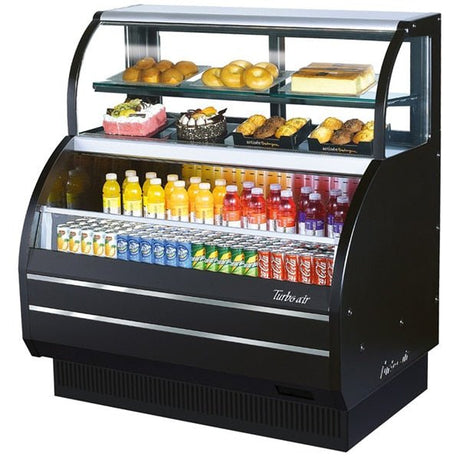
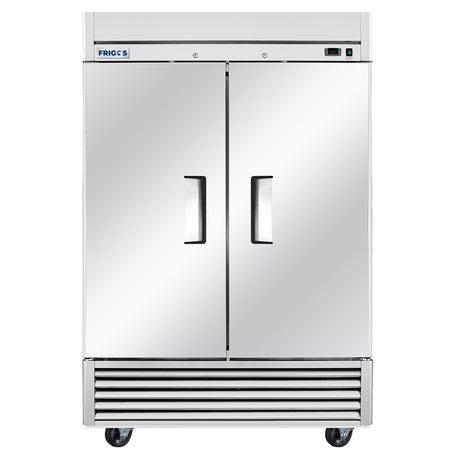
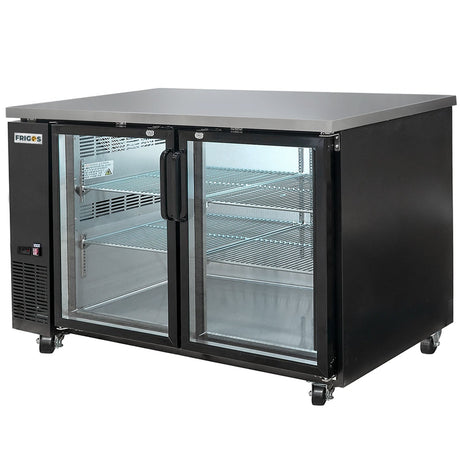
- Self-contained equipment — your reach-in refrigerators and freezers, undercounters, prep tables, and glass-door merchandisers — already transitioned to low-GWP refrigerants as of January 1, 2025. New units now ship with refrigerants like R-290 (propane) or A2L blends.
- Remote and supermarket-style systems (walk-ins on remote condensing racks) face a separate January 1, 2026 deadline — though the EPA proposed loosening that one in late 2025, and it's still pending.
- If you're buying standard self-contained restaurant refrigeration today, you're almost certainly buying compliant equipment. The main thing that changed for you is the refrigerant inside — and how it's serviced.
What's actually driving this: the AIM Act
The whole transition traces back to the American Innovation and Manufacturing (AIM) Act of 2020, which directs the EPA to phase down the production and import of hydrofluorocarbons (HFCs) by 85% by 2036. HFCs are the refrigerants that replaced the ozone-depleting refrigerants of the 1990s — but it turns out many of them are potent greenhouse gases. R-404A, a workhorse of commercial refrigeration for decades, has a GWP of roughly 3,900, meaning a pound of it traps thousands of times more heat than a pound of carbon dioxide.
To hit the phasedown targets, the EPA's Technology Transitions Rule caps the GWP of refrigerants allowed in new equipment, broken out by equipment category. That category-by-category split is exactly why there's so much confusion — different types of equipment have different limits and different start dates.
The two deadlines that get confused
Almost every “2026 ban” headline blurs two completely separate rules. Knowing which bucket your equipment falls into tells you everything.
1. Self-contained equipment — the deadline already passed (Jan 1, 2025)
A self-contained (or “stand-alone”) unit has its compressor and refrigeration system built into the cabinet. That describes the overwhelming majority of what a restaurant buys:
- Reach-in refrigerators and freezers
- Undercounter refrigerators and freezers
- Sandwich, salad, and pizza prep tables
- Glass-door merchandisers and bottle coolers
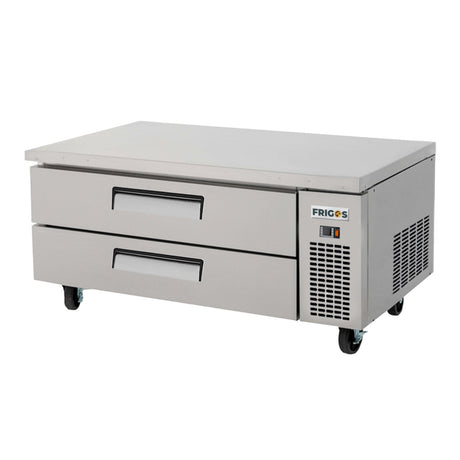
- Worktop and chef-base refrigeration
As of January 1, 2025, new self-contained commercial refrigeration can no longer use refrigerants with a GWP over 150. That ruled out R-404A and R-134a in new units and pushed manufacturers to R-290 (propane), which has a GWP of about 3, and to low-GWP A2L blends.
If you're shopping for a new reach-in or prep table in 2026, this is the rule that affects you — and it's already baked into the equipment on the market. You're not at risk of buying something that's about to be outlawed.
2. Remote and supermarket systems — the Jan 1, 2026 deadline (and a twist)
The deadline most “2026” articles are actually referring to applies to remote condensing units and supermarket refrigeration systems — think walk-in coolers and freezers connected to a remote compressor rack, the kind of large central system you'd find in a grocery store. Starting January 1, 2026, new installations of those systems were slated to meet a GWP limit of 150 (for charges of 200 lbs or more) or 300 (for smaller charges).
Here's the twist: in September 2025, the EPA proposed reforming this rule, citing refrigerant supply shortages and cost concerns. The proposal would temporarily raise the limit for these remote/supermarket systems to a GWP of 1,400 for 2026 through 2031 — which would keep refrigerants like R-448A and R-449A legal in the near term — before reverting to the stricter limits in 2032. As of this writing, that change is a proposal, not final. If you operate walk-ins on a remote rack, this is the rule to watch, and it's worth confirming the current status with your refrigeration contractor before a major install.
Bottom line: Buying a self-contained reach-in or prep table? The transition already happened, quietly, and the equipment is ready. Planning a large remote walk-in system? The rules are still in motion — verify before you commit.
Meet the new refrigerants: R-290 and A2Ls
The two refrigerant families you'll see on new restaurant equipment are natural hydrocarbons (mainly R-290) and the A2L blends.
R-290 (propane). Yes, the same propane family you grill with — but in a purified refrigerant grade and tiny quantities. It's an excellent refrigerant: it transfers heat efficiently, so units need less of it and can run at lower pressures, which often means lower energy bills. Its GWP of ~3 makes it effectively future-proof against further phasedowns. The catch is that it's classified A3 — highly flammable — so it's only used in sealed, self-contained systems with strictly limited charge sizes.
A2L refrigerants (such as R-454C, R-455A, and R-32). These are blends with much lower GWP than the HFCs they replace. They're classified A2L — mildly flammable, a category created specifically for this generation of refrigerants. They require updated service procedures and leak detection, but they're safe when handled by a properly trained technician.
The word “flammable” understandably makes operators nervous. It shouldn't, for two reasons.
Is R-290 equipment safe in my kitchen?
In a word: yes — by design. Self-contained R-290 units are engineered around strict charge limits set by the UL 60335-2-89 safety standard. In 2024, that standard (along with EPA's SNAP program) raised the allowable R-290 charge to as much as 300 grams in closed cases and 500 grams in open cases, up from the old 150-gram cap. That's still a very small amount — roughly the propane in a couple of camping canisters at most — sealed inside the unit's cooling circuit.
That charge increase is actually why R-290 is now practical for larger restaurant equipment, not just tiny coolers. Manufacturers can build full-size reach-ins and prep tables on propane while staying well within safety limits. The refrigerant is contained, the systems are tested and listed to the UL standard, and there's no open flame or exposed gas involved in normal operation.
The practical change for you is mostly about service: technicians working on R-290 or A2L systems use spark-proof tools and follow specific handling procedures. Make sure whoever services your equipment is trained on the newer refrigerants — and avoid anyone who tries to “retrofit” an old R-404A unit with a flammable refrigerant it wasn't designed for. That's unsafe and not how the transition is meant to work.
The upside most operators miss: lower energy costs
Compliance tends to get framed as a cost. With refrigeration, the new generation often pays you back. Because R-290 and modern low-GWP systems transfer heat so efficiently — paired with improvements like variable-speed compressors, better insulation, and ENERGY STAR designs — new units frequently draw noticeably less electricity than the 10-year-old cooler they're replacing.
Refrigeration runs 24/7/365, so even a modest efficiency gain compounds into real money over the life of the equipment. If your current units are aging, the refrigerant transition is a good excuse to do the math on replacement: the energy savings can offset a meaningful chunk of the purchase price over time, before you even count the reduced repair bills on a new unit.
What restaurant owners should do now
If you're buying new self-contained equipment (reach-ins, prep tables, undercounters, merchandisers): Buy with confidence. The units on the market are already built to the current standard. Check the spec sheet for the refrigerant type so you know what you're getting, and confirm your service company can handle it.
If you're replacing an aging unit: This is the ideal time. You're not just getting compliant equipment — you're likely getting a more efficient one. Compare the energy specs, not just the sticker price.
If you operate walk-ins on a remote condensing system: Don't panic-buy or panic-replace. The rules for your equipment class are still being finalized as of 2026. Talk to your refrigeration contractor about the current compliance status and your timeline before committing to a large project.
If you're keeping existing equipment: Nothing requires you to rip out a working R-404A unit. The rules govern new manufacture and installation, not equipment you already own. Just be aware that as HFCs phase down, the refrigerant to service older units will get scarcer and pricier over time — another reason replacement math is worth running.
How Kitchen Pro Equipment helps
Every self-contained refrigeration unit we carry — from Frigos reach-in refrigerators and freezers to undercounters, sandwich and pizza prep tables, and glass-door merchandisers — is built to today's standards, so you're not buying yesterday's equipment. If you want to confirm exactly which refrigerant a specific model uses or which option makes the most sense for your kitchen, our team is happy to walk you through it before you order.
Not sure where to start? Browse our commercial refrigeration lineup or reach out to our support team at 1-800-603-0033 and we'll help you find a compliant, energy-efficient fit for your space and budget.
- Reach-In Refrigerators
- Reach-In Freezers
- Undercounter Refrigerators
- Pizza Prep Tables
- Sandwich & Salad Prep Tables
- Merchandising Glass Door Refrigerators
Key takeaways
- The refrigerant transition is driven by the AIM Act and enforced through the EPA's Technology Transitions Rule.
- Self-contained restaurant refrigeration already switched to low-GWP refrigerants as of January 1, 2025 — so new reach-ins, prep tables, and undercounters are compliant today.
- The widely cited January 1, 2026 deadline mainly affects remote/supermarket rack systems, and the EPA proposed relaxing it in late 2025 (still pending).
- New refrigerants — R-290 and A2L blends — are low-GWP, safe in properly designed and serviced equipment, and often more energy-efficient.
- You don't have to replace working equipment, but if a unit is aging, the transition is a smart moment to upgrade for compliance and lower running costs.
This article was last reviewed in June 2026. Refrigerant regulations are evolving — particularly the EPA's pending reforms to the Technology Transitions Rule — so confirm current requirements with a licensed refrigeration professional before major equipment decisions.