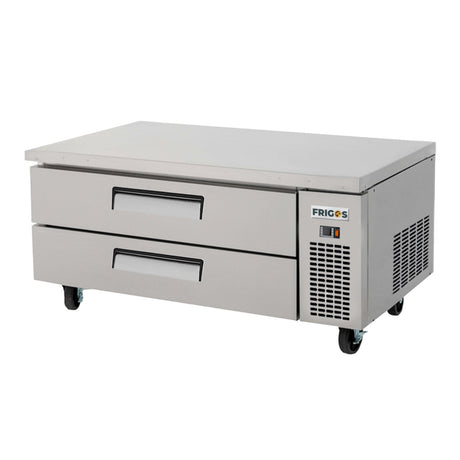


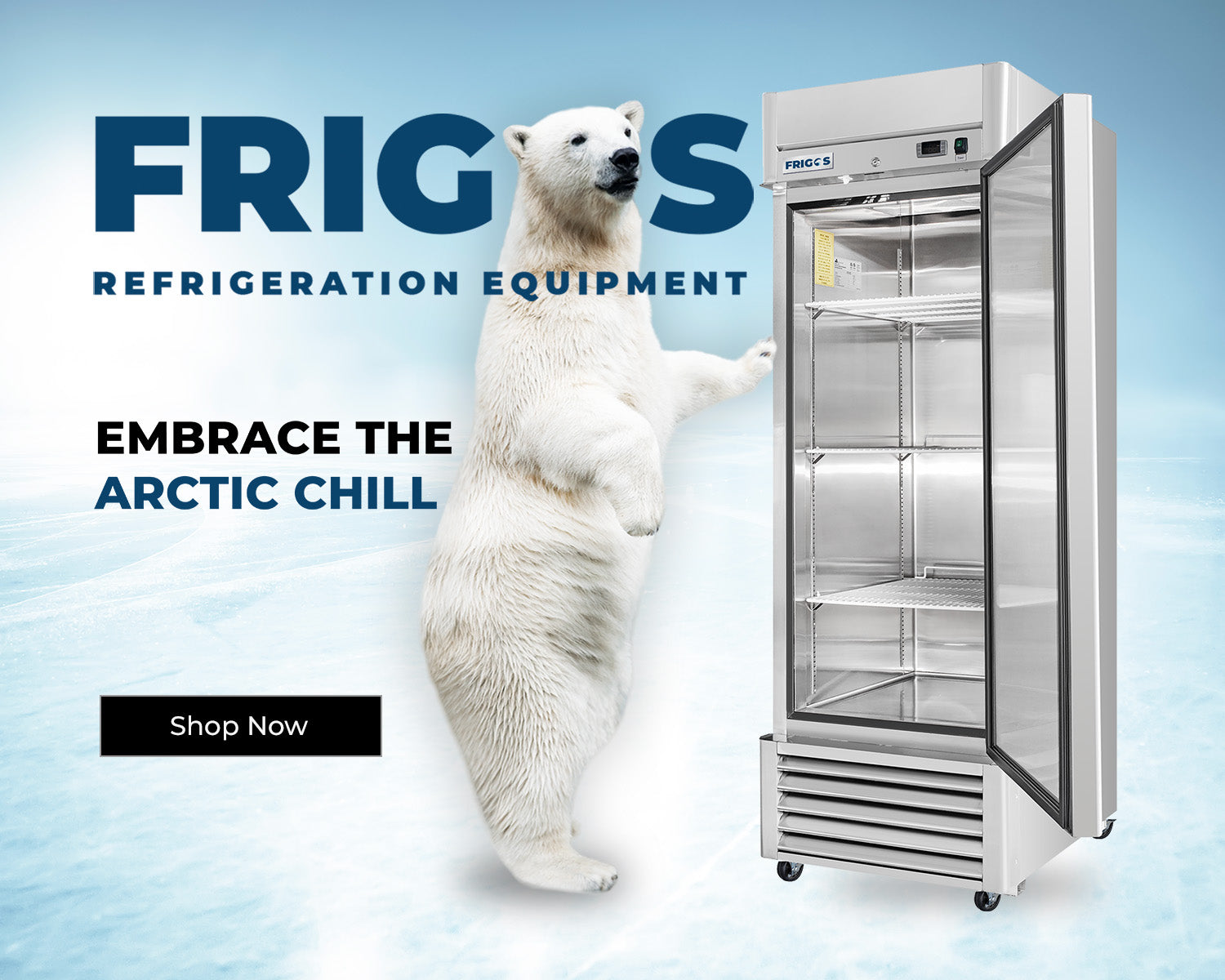


Commercial refrigeration is the backbone of every professional kitchen. From food safety and compliance to workflow efficiency and operating costs, commercial refrigeration equipment plays a critical role in how restaurants operate every day.
Unlike residential units, restaurant refrigeration systems are engineered for constant use, rapid temperature recovery, and heavy workloads. Understanding how these systems work helps operators make smarter buying decisions, avoid costly downtime, and protect their bottom line.
Why Commercial Refrigeration Is Critical in Foodservice
In a commercial kitchen, refrigeration is more than cold storage — it is a food safety system and a business safeguard.
Proper commercial refrigeration helps restaurants:
- Maintain safe food temperatures
- Reduce spoilage and food waste
- Meet health department requirements
- Improve kitchen workflow and speed
- Control long-term operating costs
- Because commercial kitchens experience frequent door openings, high ambient heat, and constant demand, refrigeration equipment must be powerful, reliable, and built for continuous operation.
Commercial vs Residential Refrigeration: The Core Difference
While commercial and residential refrigerators may look similar, their internal construction and performance capabilities are very different.
Commercial Refrigeration Is Designed For:
- Heavy-duty compressors
- Rapid temperature recovery
- Continuous 24/7 operation
- High-capacity storage
- Stainless steel construction
- NSF foodservice compliance
Residential Refrigeration Is Designed For:
- Light daily household use
- Minimal door openings
- Controlled indoor environments
- Lower upfront cost but shorter lifespan
Using residential refrigeration in a restaurant often leads to temperature inconsistency, equipment failure, health code violations, and higher long-term replacement costs.
How Commercial Refrigeration Systems Work
Commercial refrigeration systems remove heat from inside the cabinet and release it externally to maintain safe internal temperatures.
These systems rely on:
- Powerful compressors to circulate refrigerant
- Condensers that release heat efficiently
- Evaporators that absorb internal heat evenly
- Continuous air circulation for temperature consistency
This design allows commercial refrigerators and freezers to recover temperature quickly after doors are opened — a critical requirement in busy kitchens.
Core Components of Commercial Refrigeration Equipment
Compressor
The compressor is the heart of any commercial refrigeration system. It keeps refrigerant moving and ensures consistent cooling, even under heavy use.
Condenser
The condenser releases heat pulled from inside the unit. Clean, accessible condenser coils improve efficiency and extend equipment life.
Evaporator
Evaporators absorb heat from inside the cabinet and distribute cold air evenly, preventing hot spots or freezing issues.
Insulation and Door Seals
High-density insulation and tight magnetic door gaskets keep cold air in and reduce energy consumption.
Types of Commercial Refrigerators Used in Restaurants
Different operations require different refrigeration solutions. Choosing the right type improves efficiency and workflow.
Reach-In Refrigerators and Freezers
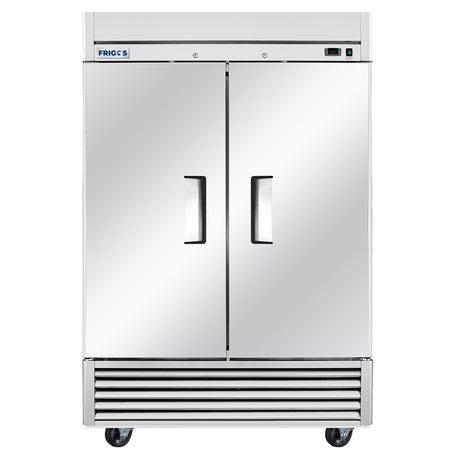
Reach-in refrigerators and reach-in freezers are the most common commercial refrigeration units used in professional kitchens. They are ideal for back-of-house storage and high-volume operations.
Explore reach-in refrigeration options here:
Undercounter Refrigeration
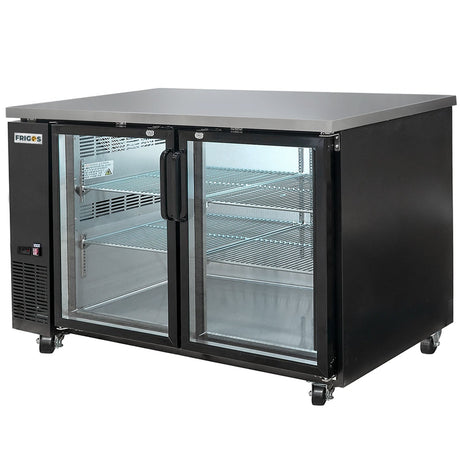
Undercounter refrigerators and undercounter freezers are designed for space efficiency and quick access at prep stations, bars, and service areas.
View undercounter options:
Prep Tables for Pizza, Salad, and Sandwich Stations
Prep tables combine refrigerated storage with a work surface, making them essential for pizzerias and sandwich shops.
Browse pizza prep tables
Merchandising Glass Door Refrigerators
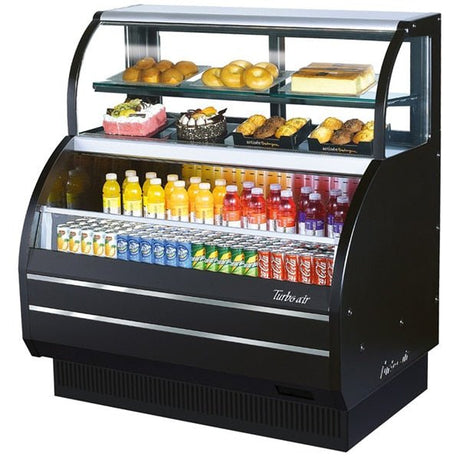
Merchandising glass door refrigerators are designed for customer-facing areas where product visibility drives impulse sales.
See merchandising refrigeration options
Energy Efficiency in Commercial Refrigeration
Energy costs are a major concern in foodservice. Modern commercial refrigeration equipment focuses on efficiency without sacrificing performance.
Key efficiency features include:
- High-efficiency compressors
- LED interior lighting
- Improved insulation
- Digital temperature controls
- Optimized airflow systems
Efficient refrigeration reduces monthly utility costs and lowers heat output in the kitchen.
Where Frigos Refrigeration Fits In
At Kitchen Pro Restaurant Equipment, we understand that different operators have different needs. That’s why Frigos commercial refrigeration is available in three performance tiers:
- Frigos Value Series – Best value for the money, ideal for startups and budget-conscious kitchens
- Frigos Medium Series – Balanced performance for growing restaurants
- Frigos Premium Series – Built to compete with top brands like Turbo Air, Migali, Everest, and Atosa
Learn more about Frigos refrigeration equipment here
Why Buying From the Right Supplier Matters
Even the best refrigeration equipment performs poorly if it’s incorrectly sized or improperly matched to your operation.
A knowledgeable supplier helps you:
- Choose the correct equipment configuration
- Match refrigeration to menu and volume
- Avoid costly buying mistakes
- Get support before and after the sale
Kitchen Pro Restaurant Equipment offers competitive pricing, live customer support, and industry expertise to help restaurants make confident equipment decisions.
Final Thoughts
Commercial refrigeration is one of the most important investments any restaurant makes. Understanding how commercial refrigeration works, what separates it from residential units, and which equipment types best fit your operation leads to smarter purchasing decisions and long-term success.
This guide serves as the foundation for our commercial refrigeration resources. In future articles, we’ll dive deeper into buying guides, brand comparisons, and category-specific recommendations to help you build a better kitchen.